
What are Lambing Jugs and Do You Need Them?
If you're new to raising sheep, you might have heard the term "lambing jugs" and wondered what on earth people are talking about. Don't worry—no actual jugs are involved! Let me explain what they are, why shepherds use them, and whether they might be right for your operation.
What Are Lambing Jugs?
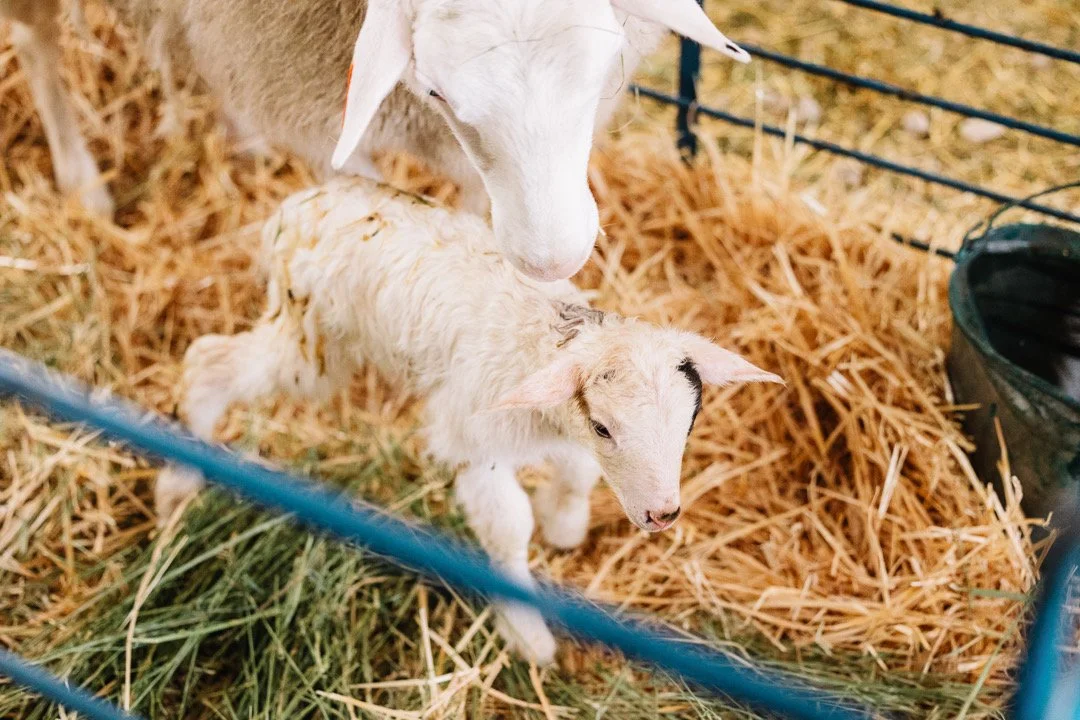
Simply put, a lambing jug is a small pen designed to house a ewe and her newborn lamb(s) for a day or two immediately after birth. These temporary enclosures serve one critical purpose: giving mom and babies dedicated bonding time in a safe, controlled space.
Why Use Them?
Lambing jugs encourage bonding between a ewe and her lambs while preventing a problematic behavior known as "granny-ing" (or "lamb stealing"). This happens when a ewe—usually one who hasn't lambed yet or is in early labor herself—tries to claim another ewe's newborn lambs as her own. It's trouble all around: she might reject her own lambs when they arrive, or abandon the stolen lamb once she gives birth. The confined space of a jug prevents other ewes from interfering during those crucial first hours.
What Do Lambing Jugs Look Like?
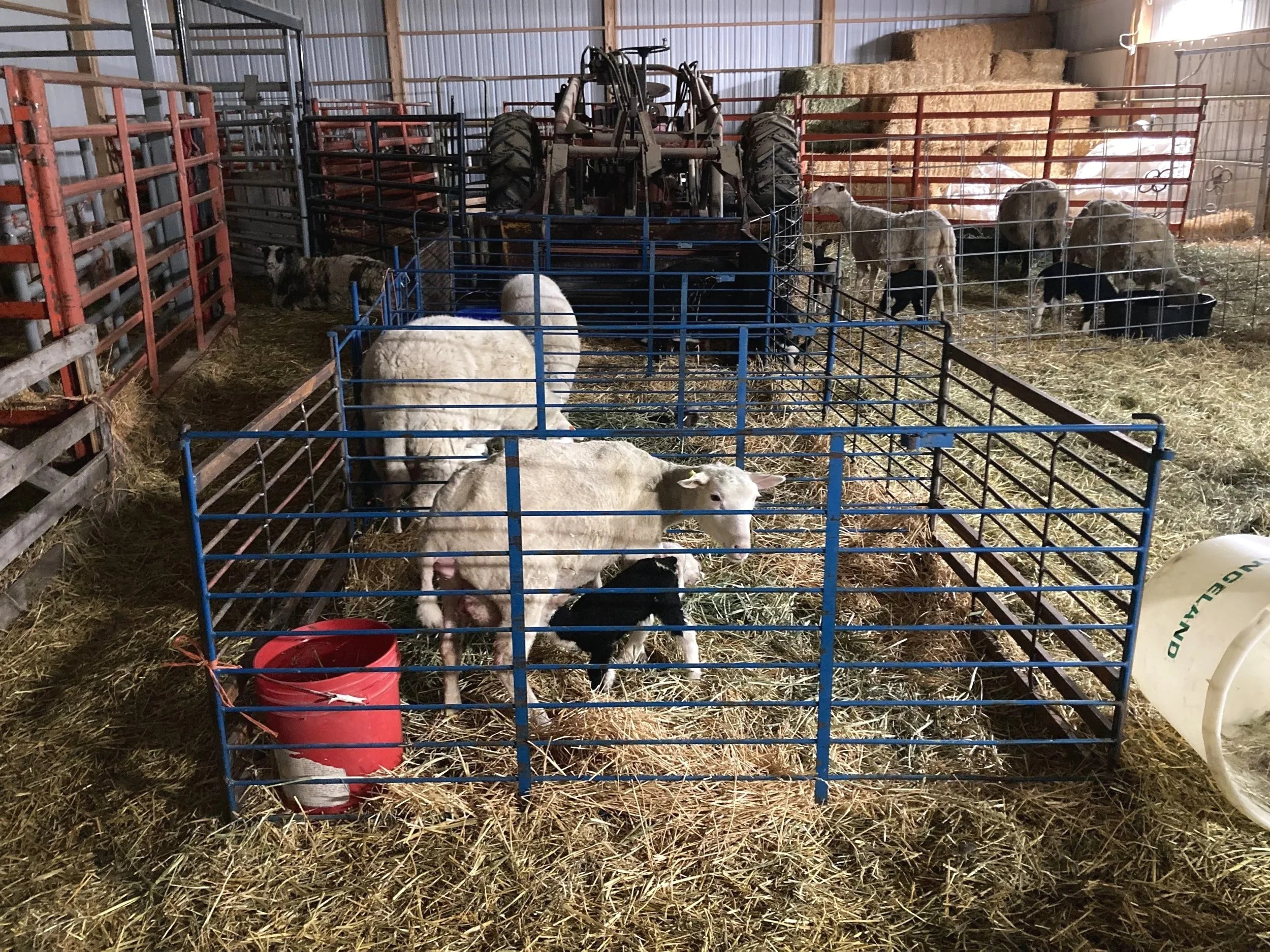
Most jugs are small pens measuring roughly 4' x 5' and standing only 32-36" tall. They can be constructed from wood or metal panels—I've used both successfully.
You might be thinking: can ewes jump over something that short? Absolutely. Will they jump out when their newborn lambs are inside? Very unlikely. Maternal instinct is powerful.
One important note: only put ewes in jugs after they've lambed. The space is too tight and restrictive for the actual birthing process.
How to Use Lambing Jugs
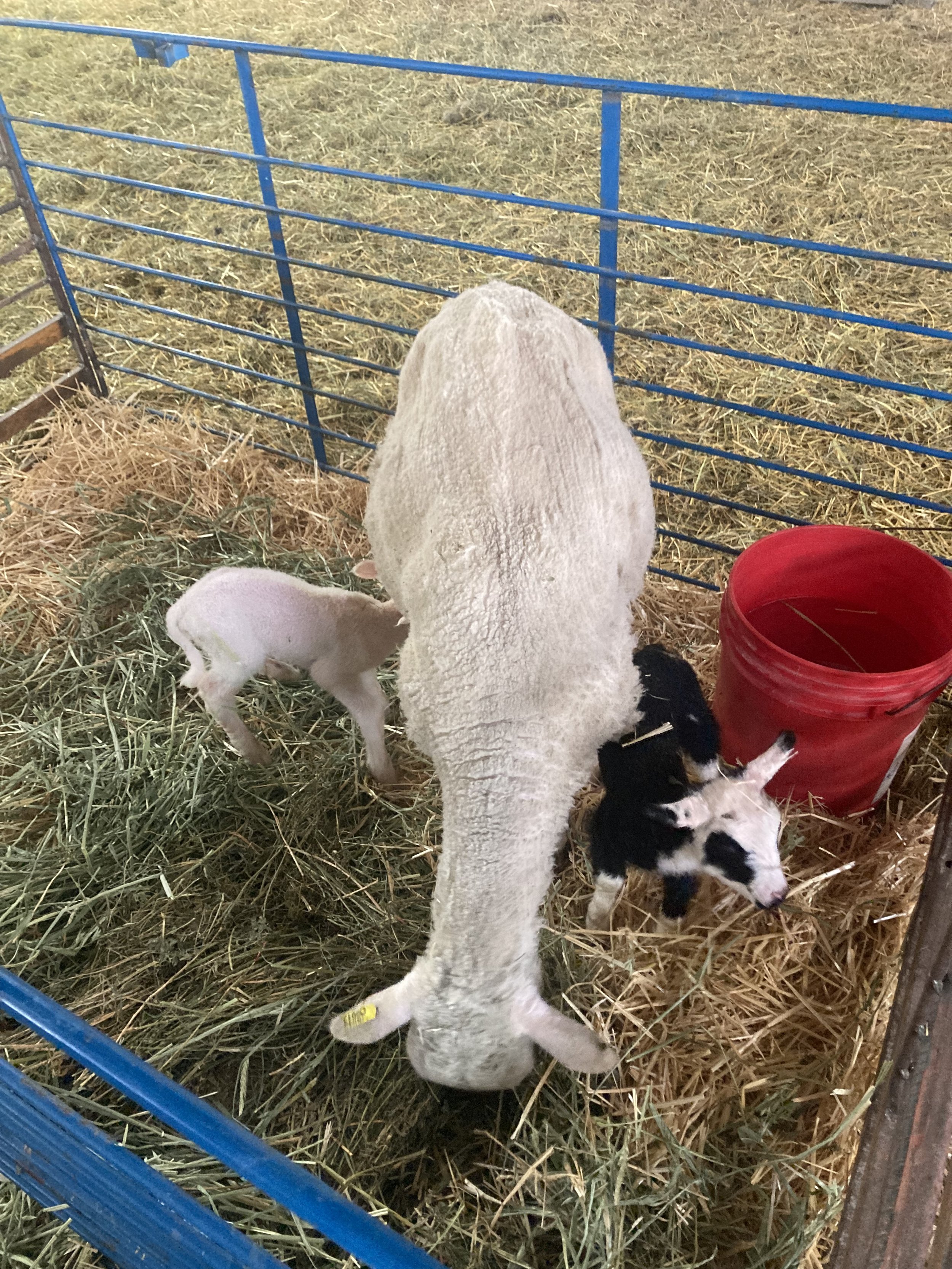
After a ewe finishes lambing, I pick up her lamb(s) and walk backward toward the jug. The ewe will naturally follow her babies, making it easy to guide her inside without stress.
I follow a simple rule of thumb: 24 hours per lamb. A ewe with a single lamb stays in for one day. Twins get two days, triplets get three. This isn't set in stone—it's just a guideline. If another ewe lambs and I need the jug, I might turn one pair out a bit early. Conversely, if a lamb is struggling to nurse or seems weak, I'll keep them in longer until I'm confident they're thriving.
Setting Up Your Lambing Jugs
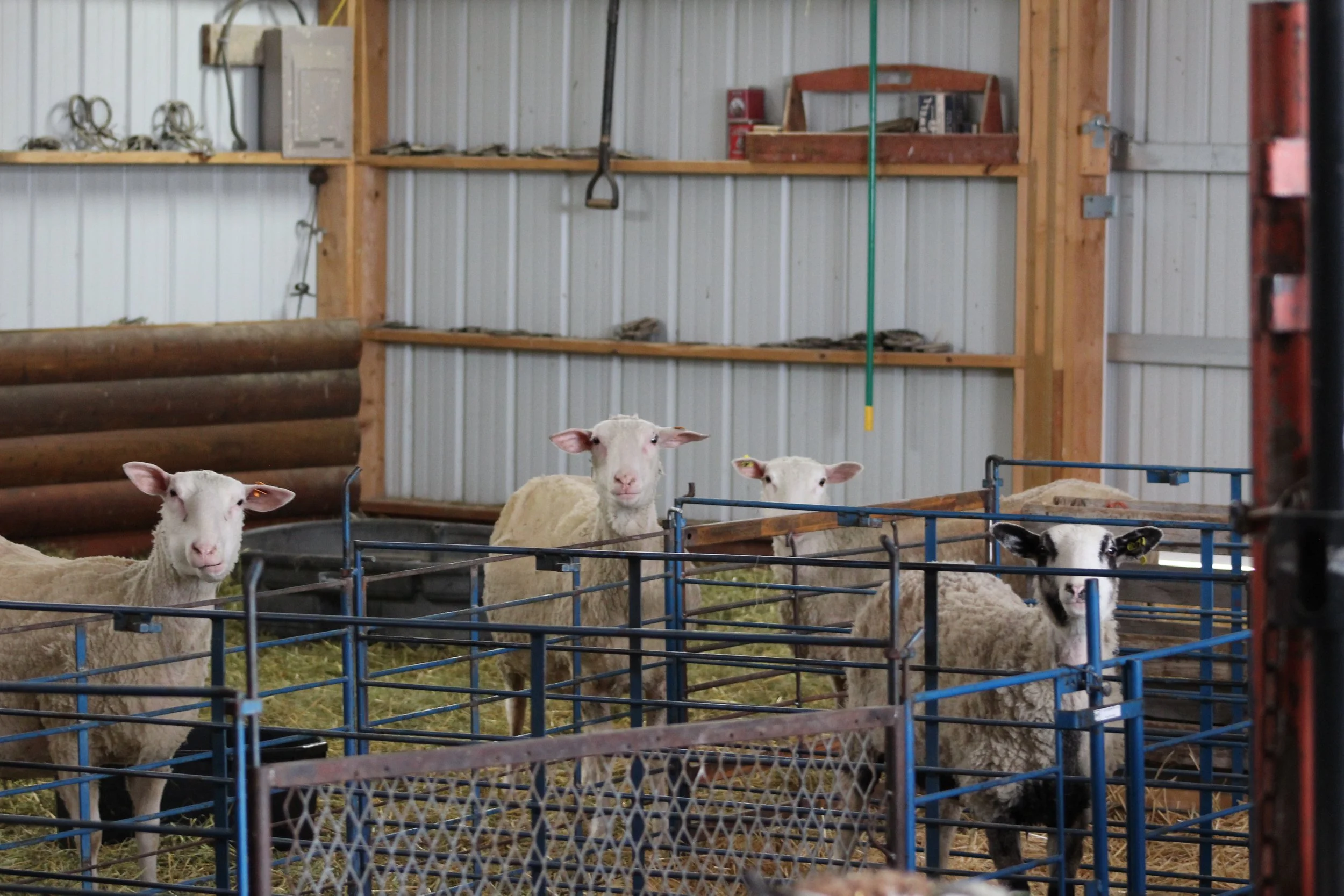
How you arrange your jugs will depend on how many you need and the layout of your barn or lambing area. Let me walk you through my setup as an example.
I have five jugs arranged in a row near the middle of my barn. The longer 5' panels on each side are fixed in place, while the shorter 4' panels on each end have pins so they swing open like gates. On the left side, I've positioned the jugs about four feet back from another pen. This gap acts as an alley and lets me open the jug panel and use it as a gate when I'm bringing a ewe in—it works beautifully. The right side opens directly into a large group pen where ewes and lambs go after their jug time. All I have to do is swing open the end panel and they walk straight into their next area. This flow-through design saves me a lot of time and hassle during busy lambing season.
Watch a video of my setup here.
I use two different types of panels. Some are old, handmade wooden panels with a four-foot section and a five-foot section connected by hinges. Two sets make one complete jug, and when lambing season is over, I can fold them up for compact storage. I also have metal panels made by Sydell, a company out of North Dakota that specializes in sheep and goat handling equipment. These are my favorites—they're incredibly sturdy and use metal rods as pins to hold the sections together. (You can check them out at here)
Bedding and Daily Care in the Jugs
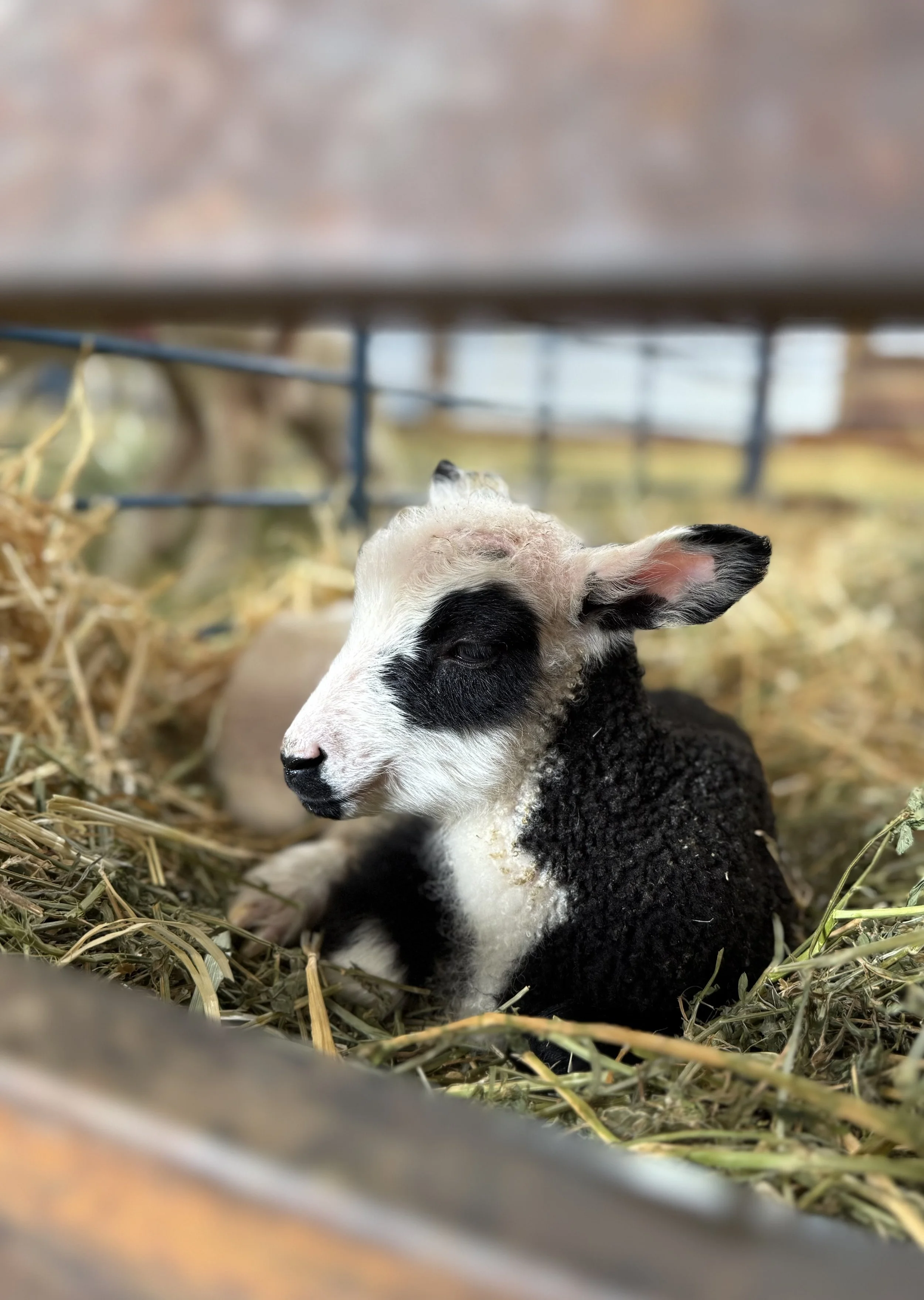
Our barn has a gravel and dirt floor, so I bed the jugs with a thick layer of straw. I also throw in some hay for the ewe and hang a water bucket.
A word of caution about water buckets: make sure newborn lambs can't accidentally fall in and drown. I use tall, 5-gallon buckets and either tie or clip them to the panels so they don't get knocked over. Clean the water bucket daily—if a ewe poops in her water, she'll refuse to drink, which can lead to bloating (ask me how I know).
When a ewe and her lambs graduate from the jug, I completely strip out the bedding, sprinkle down agricultural lime, and let it air dry for a bit if I have time. Then I re-bed with fresh straw for the next family.
Budget-Friendly Alternatives
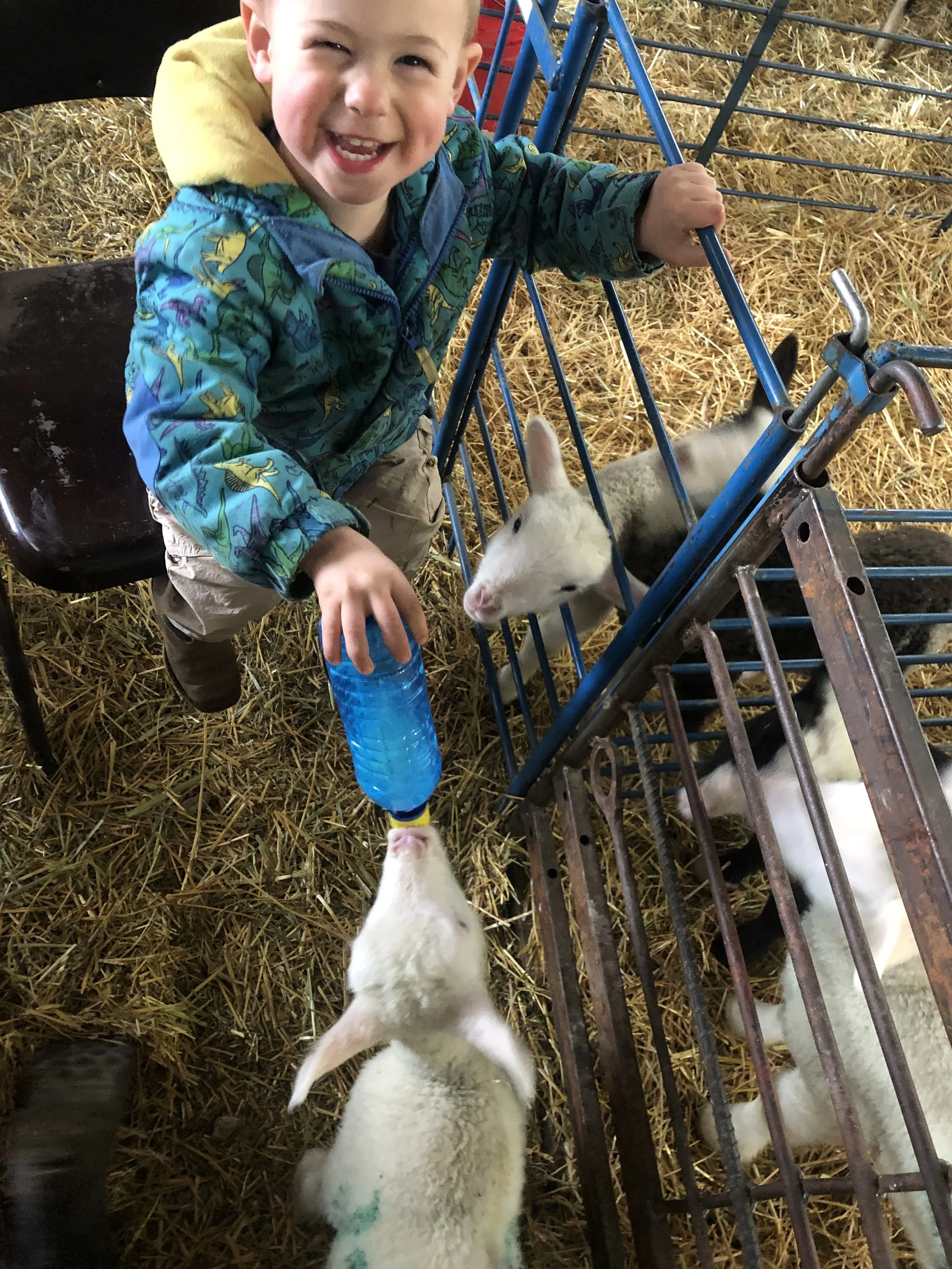
Not ready to invest in commercial panels? Cattle panels are a popular and economical option. If you set your jugs along a barn wall, you only need three panels per jug instead of four. You can buy 16-foot cattle panels and cut each one into four 4-foot sections. This gives you enough material for multiple jugs at a reasonable price.
How Many Jugs Do You Actually Need?
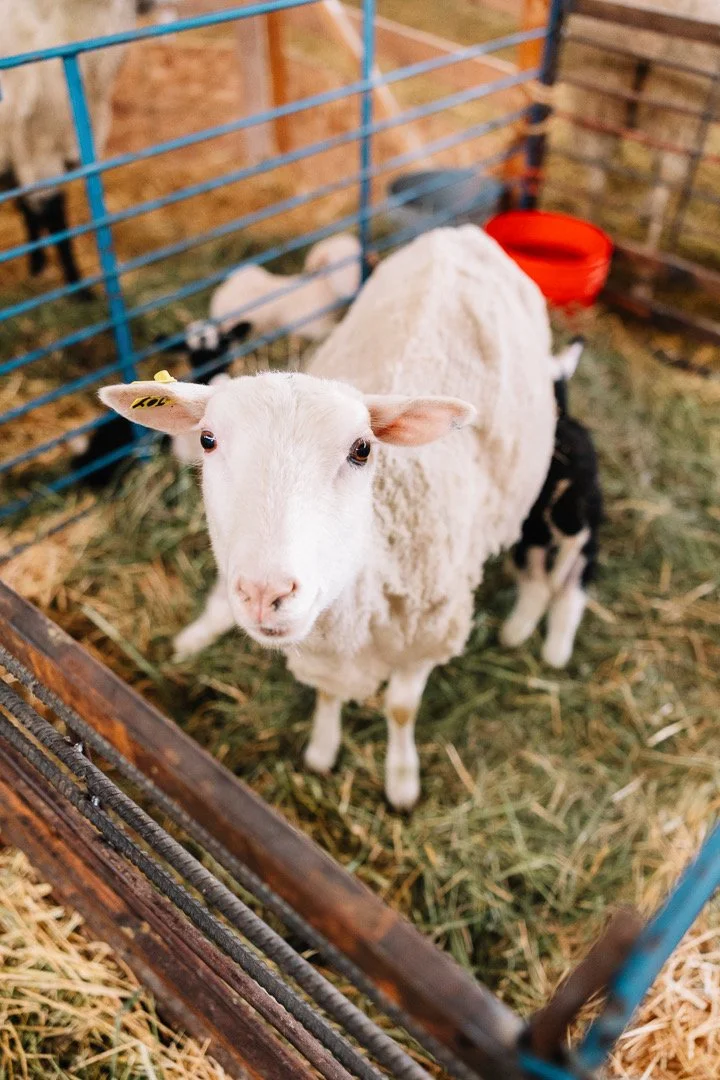
You don't need as many as you might think. I lamb out around 20 ewes each year, and five jugs are more than enough for my operation. A common recommendation is one jug per 5-10 ewes, depending on how synchronized your lambing season is. If your ewes are bred to lamb over several weeks, you'll need fewer jugs since you can rotate them as lambs are born.
Do You Really Need Jugs? (Pasture Lambing Considerations)
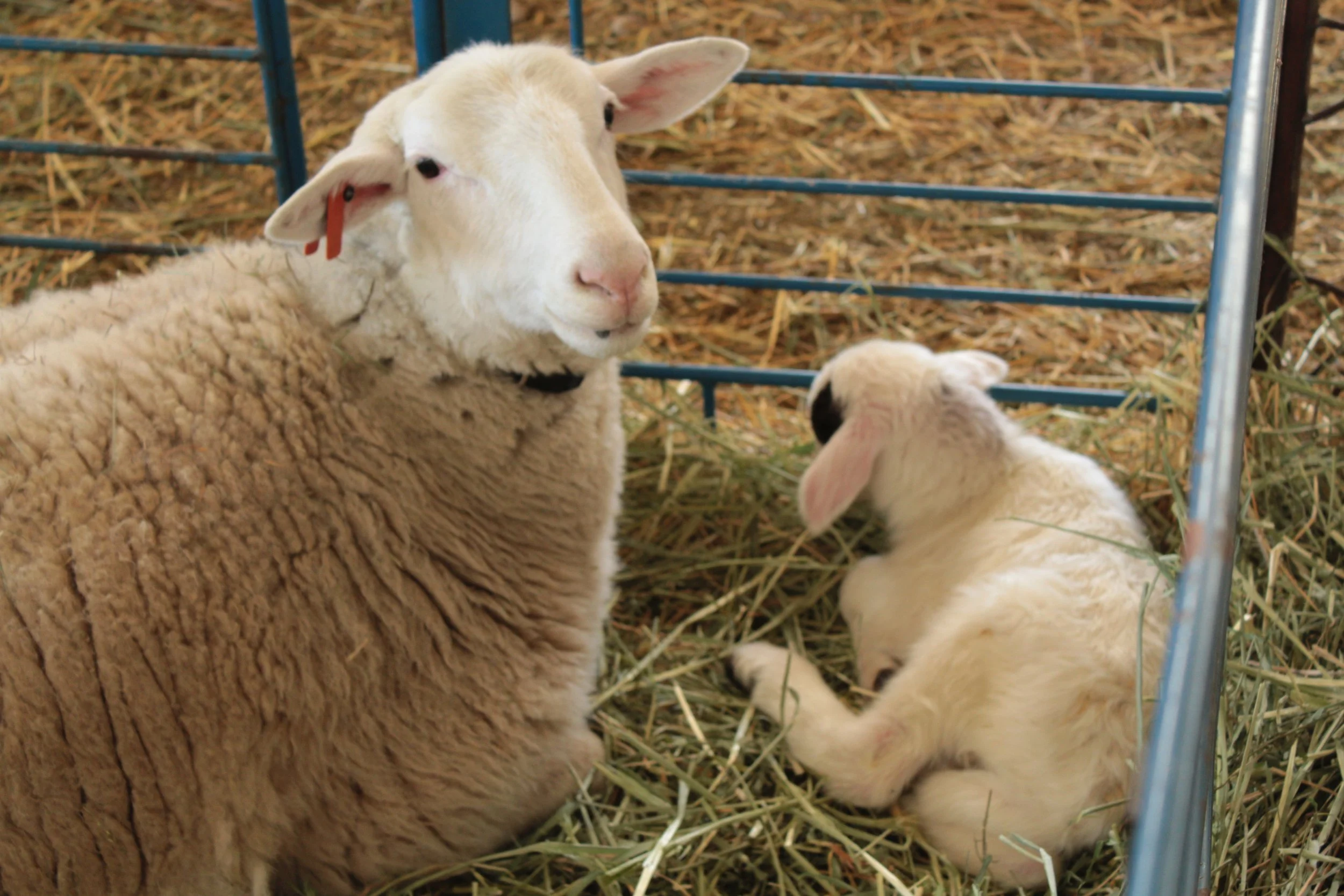
Maybe you're thinking, "I want my ewes to lamb naturally out on pasture!" And to that I say: go for it! Pasture lambing works beautifully for many operations, especially larger flocks.
But here's why jugs work for me: I like to inspect every lamb immediately after birth. I weigh them, dip their navels in iodine, and make sure they've gotten adequate colostrum. With my smaller flock, this individual attention matters to me. Lambing through jugs makes these health checks simple and stress-free. If my ewes were scattered across pasture, observing them closely and catching potential problems would be much harder.
Is this method right for everyone? Absolutely not! And that's perfectly okay. Your management style should fit your goals, your flock size, and your setup.
The Bottom Line
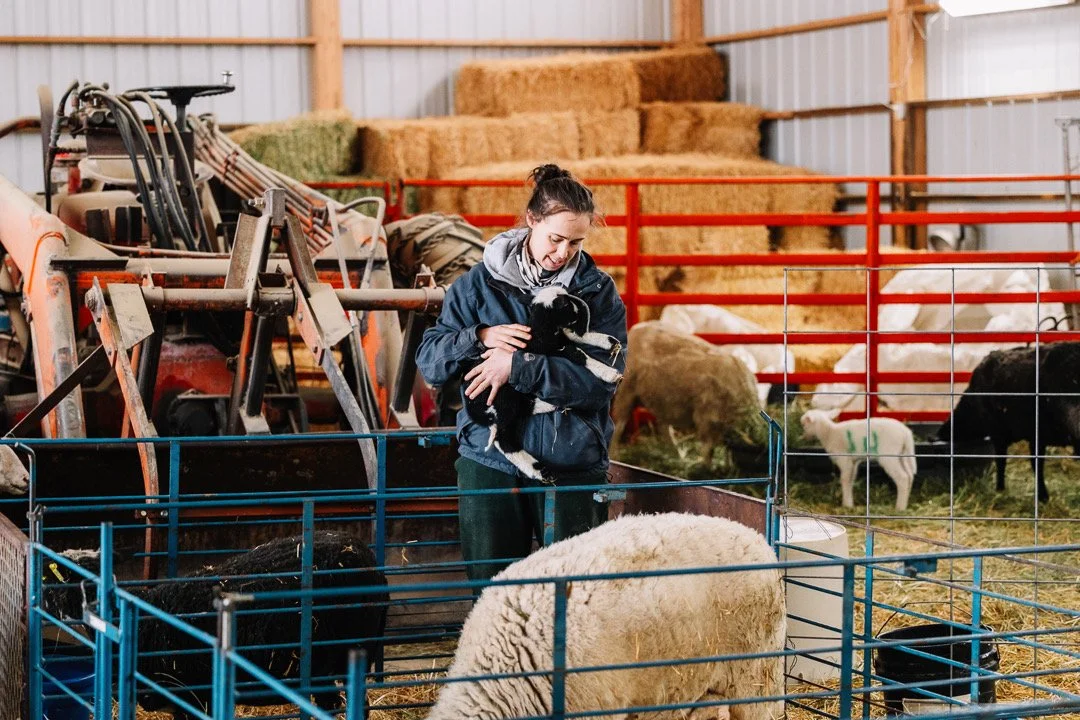
If you have multiple ewes lambing around the same time in a shared space, jugs are incredibly useful. They give each new family a protected start without interference from the flock, and they make it easier to monitor health and bonding.
However, if you only have one or two ewes, practice pasture lambing, or can easily separate ewes into individual stalls, you might not need dedicated jugs at all.
Consider your setup, your flock size, your management goals, and your lambing schedule. Jugs are a simple tool that can prevent problems and give you peace of mind during the busy lambing season—but they're only essential if they fit your system.
Pin for later
