Pre-Lambing Ration for Dairy Sheep
Learn how I feed my dairy sheep in the final 6–8 weeks before lambing, including grain amounts, ration ingredients, and common mistakes to avoid.
I’m Not an Expert—Just a Shepherd Sharing What Works
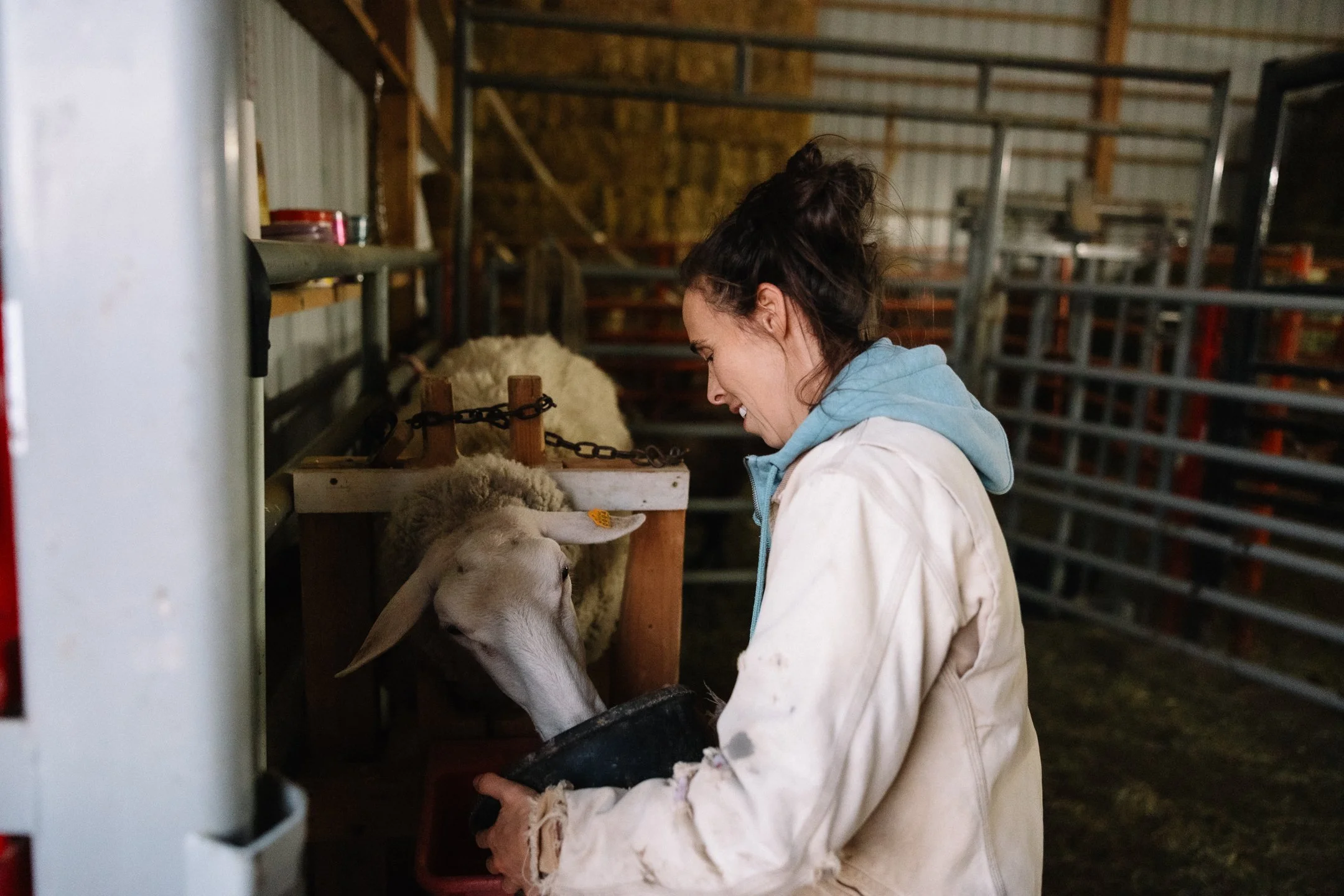
Before we dive in, I want to say this clearly: I am not a dairy sheep nutritionist. I’m not an expert with letters after my name. I’m just a girl with some sheep who likes to pay attention, take notes, and share what’s worked for us over the years.
Do you have to feed your sheep this way? Absolutely not. Every flock, forage base, climate, and shepherd is different. My goal with this post is simply to walk you through my pre-lambing ration, explain why I do what I do, and give you another data point so you can make the best decisions for your own flock.
Late pregnancy is one of the most nutritionally demanding times in a ewe’s year. In this post, I’m breaking down when I start feeding grain, how much I feed, what’s in my ration, and what to watch for as lambing approaches.
Pre-Lambing Ration for Ewes (6–8 Weeks Before Lambing)
About 6–8 weeks before my lambing window begins, I gradually start my ewes on grain. I feed the same ration they received during flushing in the fall.
Not familiar with flushing? 👉 Read: Flushing Ewes for Breeding
The key word here is gradual. I introduce grain slowly to avoid upsetting rumen function and to give their systems time to adapt.
My Weekly Grain Schedule
I start very light and increase slowly each week:
Week 1: ¼ lb per ewe per day
Week 2: ½ lb per ewe per day
Week 3: ¾ lb per ewe per day
Week 4: 1 lb per ewe per day
Week 5: 1¼ lb per ewe per day
Week 6: 1½ lb per ewe per day
By the end, most ewes are eating 1.5–2 lbs per day, depending on body condition, weather, and pregnancy status.
Why the 6–8 Week Range?
I give myself a two-week window for a couple of reasons.
First, if my ewes are looking like they need an extra boost—maybe they’re carrying multiples or not holding condition as well—I’ll start closer to 8 weeks out instead of 6.
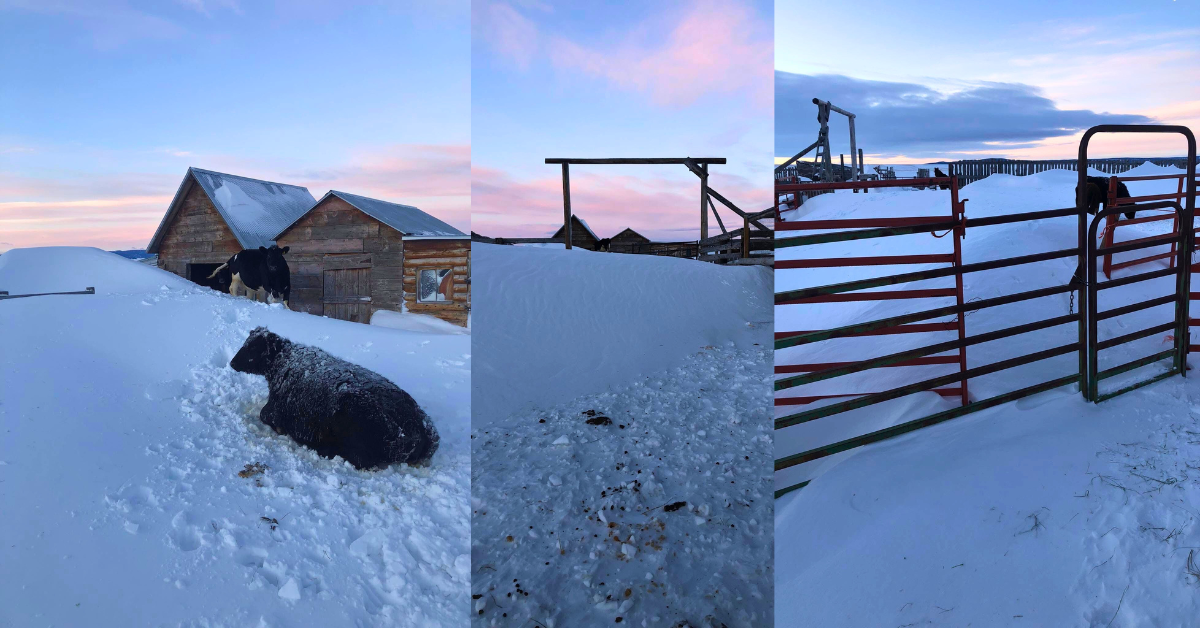
Second, weather matters. If we’re dealing with brutal cold, wind, or extended storms, those extra calories can really help maintain condition.
That said, if my girls are in good shape (which they usually are thanks to fall flushing) and the weather is reasonable, 6 weeks out is my typical starting point.
What’s in My Grain Ration?
My ration is simple:
Oats
Peas
Barley
Sometimes, if there’s been a spill at the elevator, we’ll have some corn on hand as well. I’m honestly not too particular—I feed what’s available locally, affordably, and consistently. My flock has done well with this approach.
Things to Keep in Mind When Feeding Grain
One thing I consider non-negotiable when feeding grain is having baking soda available free-choice.

Yes—plain old baking soda.
I buy it in 50 lb bags and top off a rubber tub in the barn each night. My ewes help themselves as needed.
Why baking soda? Concentrates can increase acidity in the rumen, which may lead to digestive upset or bloat. Baking soda acts as a buffer and gives the sheep a way to self-regulate.
Why Feed Grain Before Lambing?
Do you have to feed grain? No.
But here’s why I choose to.
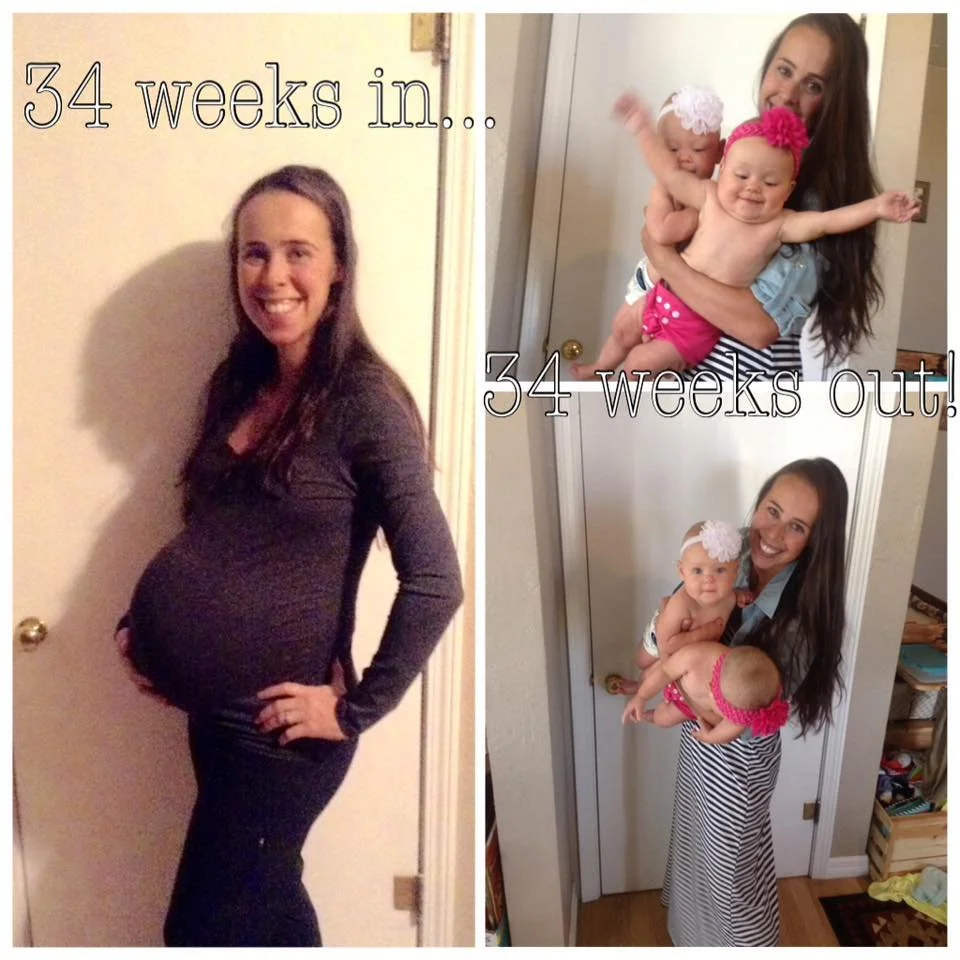
As a mom to multiples myself, I can confidently say that once those babies get big, there isn’t much room left for food. The same goes for ewes. Late in pregnancy, bulky forage like hay can be hard to consume in sufficient quantities to meet their nutritional needs.
Grain provides dense calories and energy in a smaller package. I don’t believe my heavily pregnant ewes can physically eat enough hay alone to meet their needs during those final weeks.
Frequently Asked Questions
Will feeding grain before lambing make lambs too big?
This is a very common concern. Overfeeding grain—especially suddenly or excessively—can contribute to oversized lambs. However, gradual introduction and reasonable amounts, paired with good forage, generally support healthy lamb growth rather than excessive size.
Also, keep in mind how your ewes are housed. Are they kept in a dry lot without much exercise? Or are they going out to pasture every day? The last couple months before lambing we like to feed our hay out in the pasture so the ewes have to walk out to eat hay, then walk back to the corral to get water. This helps them get exercise and prevents them from getting too fat.
Can feeding grain before lambing cause health issues?
Any time grain is fed improperly, there is risk. That’s why slow increases, consistent feeding, free-choice baking soda, and good-quality hay are so important. When managed carefully, grain can be a helpful tool rather than a problem.
Do all ewes need the same amount of grain?
No. Age, body condition, number of lambs, and weather all play a role. This schedule is a starting point, not a rulebook.
Ideally, younger ewes (yearlings) would be fed separate from mature ewes so they get their full ration and aren’t pushed away. Ewes carrying higher order multiples than ewes with just singles or twins would be fed more — but sometimes that isn’t always an option so we just do the best we can!
More Sheep Nutrition & Lambing Resources
You might also enjoy:
Pin for Later
