
Homemade Ricotta from Whey
Are you into getting as much as possible from something? Then you will love this recipe for making Ricotta from leftover cheesemaking whey. Even better? After you make Ricotta you can make caramel with the leftover whey!
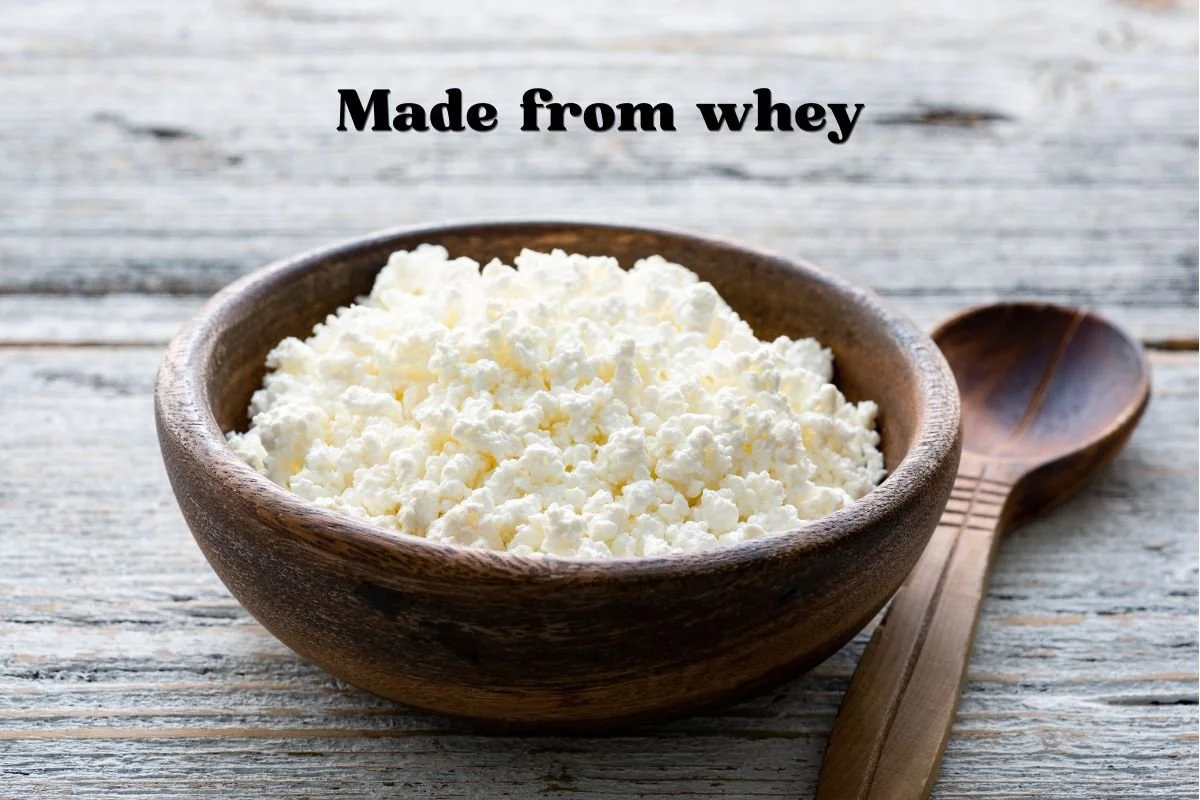
Being the frugal type, I absolutely love to get the most bang for my buck. Recently, I shared a video on Instagram where I took 10 gallons of milk from my milk cow, skimmed some of the cream to make homemade ice cream, made a parmesan style cheese with the rest of the milk, then transformed the leftover whey into not only this Ricotta that I’m going to tell you about, but also caramel.
Homemade Ricotta from whey
Homemade Ricotta is very simple. All you need to do is add heat + acid and you will get Ricotta. Many other cheeses can be made from this same method.
The cool thing about making Ricotta from leftover cheesemaking whey vs other types of whey or even milk is, you don’t need to add an acid such as vinegar or lemon juice - they whey is already acidified from the cheesemaking process - from the lactic acid bacteria!
In my opinion this makes the Ricotta taste even better! Let’s walk through the steps to make it.
How to make Ricotta from whey
Heat your leftover cheesemaking whey to 195-200 degrees, or just before boiling, while stirring. You should see the solids start to gather at the top of the pot.
Remove the pot from the heat and allow to cool. Let sit uncovered for 10-20 minutes.
Using a ladle, move the curds from the pot into a cheesecloth lined colander or to a ricotta basket mold.
Allow the curds to drain until they reach the desired texture. For a creamy consistency to use the Ricotta as a spread, only allow to drain for a few minutes or so. To use the ricotta for cheesecake, stuffed pasta or other things like that, drain for 20 minutes or up to 1 hour or more.
When the desired texture is reached, mix in salt, ¼ tsp per gallon of whey used or to taste. Don’t skimp on the salt, it not only provides flavor but helps preserve the cheese.
Frequently asked questions:
-
Sweet whey is a term used to describe whey leftover from cheesemaking. It is called sweet whey because the pH is typically above 6, whereas whey from yogurt is considered “acid whey” because the pH is typically between 4-4.6.
-
You can, but you have to add an additional step. After bringing the whey up to temperature, you then have to let it cool to 190 degrees before adding an acid to curdle it. Add 1 tbsp at a time until the curd separates. You can use vinegar or lemon juice.
-
Yes you sure can! Like with yogurt whey, you will have to add an acid to curdle it.
Alternatively, you can add whole milk or cream to your leftover cheesemaking whey to increase the yield of Ricotta.
-
Yes you can! It may change the texture slightly but it will still work in baked goods and in stuffed pasta, lasagna, etc.
-
Yes you can! That is called Ricotta Salata. To do so, drain your Ricotta for 20 minutes before proceeding to pressing. Press lightly, gently increasing the pressure as needed. Press for about an hour or until it feels firm and no more whey leaks out. Wrap and store in the fridge for 1-2 weeks.
More cheese recipes you might enjoy:

Whey Ricotta
Are you into getting as much as possible from something? Then you will love this recipe for making Ricotta from leftover cheesemaking whey. A versatile cheese - for use in sweet and savory dishes!
Ingredients
- 1 gallon leftover cheesemaking whey
- 1/4 tsp salt
Instructions
- Heat your leftover cheesemaking whey to 195-200 degrees, or just before boiling, while stirring. You should see the solids start to gather at the top of the pot.
- Remove the pot from the heat and allow to cool. Let sit uncovered for 10-20 minutes.
- Using a ladle, move the curds from the pot into a cheesecloth lined colander or to a ricotta basket mold.
- Allow the curds to drain until they reach the desired texture. For a creamy consistency to use the Ricotta as a spread, only allow to drain for a few minutes or so. To use the ricotta for cheesecake, stuffed pasta or other things like that, drain for 20 minutes or up to 1 hour or more.
- When the desired texture is reached, mix in salt, ¼ tsp per gallon of whey used or to taste. Don’t skimp on the salt, it not only provides flavor but helps preserve the cheese.
Notes
When I make this, I usually make a large batch, 4-8 gallons at a time. Yield from whey alone is usually pretty low, so keep that in mind. I think I typically yield approximately 2 quarts of Ricotta from 4 gallons of whey.
Pin for later
