Flushing Ewes for Breeding: What It Is, Why It Matters, and How to Do It (Homestead Guide)
Learn what flushing ewes is, how long to do it, and why it dramatically improves fertility and next year’s milk production. A simple, homestead-friendly guide for dairy sheep owners.
Before we dive in, here’s why flushing matters so much more than people realize: A ewe’s nutrition right before breeding and in the earliest days of pregnancy determines the size and health of the placenta(s)—and that alone has a huge impact on her milk production for the next lactation.
This isn’t something you can fix later. You cannot feed your way out of poor placenta development after the fact.
Insert “Save This Post” code here
What Is Flushing Ewes? (Everything You Need to Know)
Flushing is simply the practice of increasing a ewe’s plane of nutrition—usually for 2–4 weeks before breeding and continuing for about 30 days after the ram is turned in.
When a ewe receives a small, intentional bump in energy and nutrition, her body responds by:
Releasing more eggs
Strengthening her early pregnancy
Building larger, healthier placentas
Setting herself up for more milk production in the following lactation
Flushing is about fertility, yes—but even more importantly, it's about giving your ewe the nutritional foundation she needs for a productive, healthy milking season next year.
Why Flushing Matters for Dairy Sheep
Dairy ewes are under intense metabolic demand during milking. Even with good feed, many lose some body condition by the end of lactation. Since placenta development is directly tied to future milk output, flushing becomes one of the most impactful tools in your shepherding toolkit.
Healthy placenta = healthy lambs + more milk.
If a ewe is thin or underfed during this early window, her next lactation cannot reach full potential, even if you feed better later.
Do You Have to Use Grain?
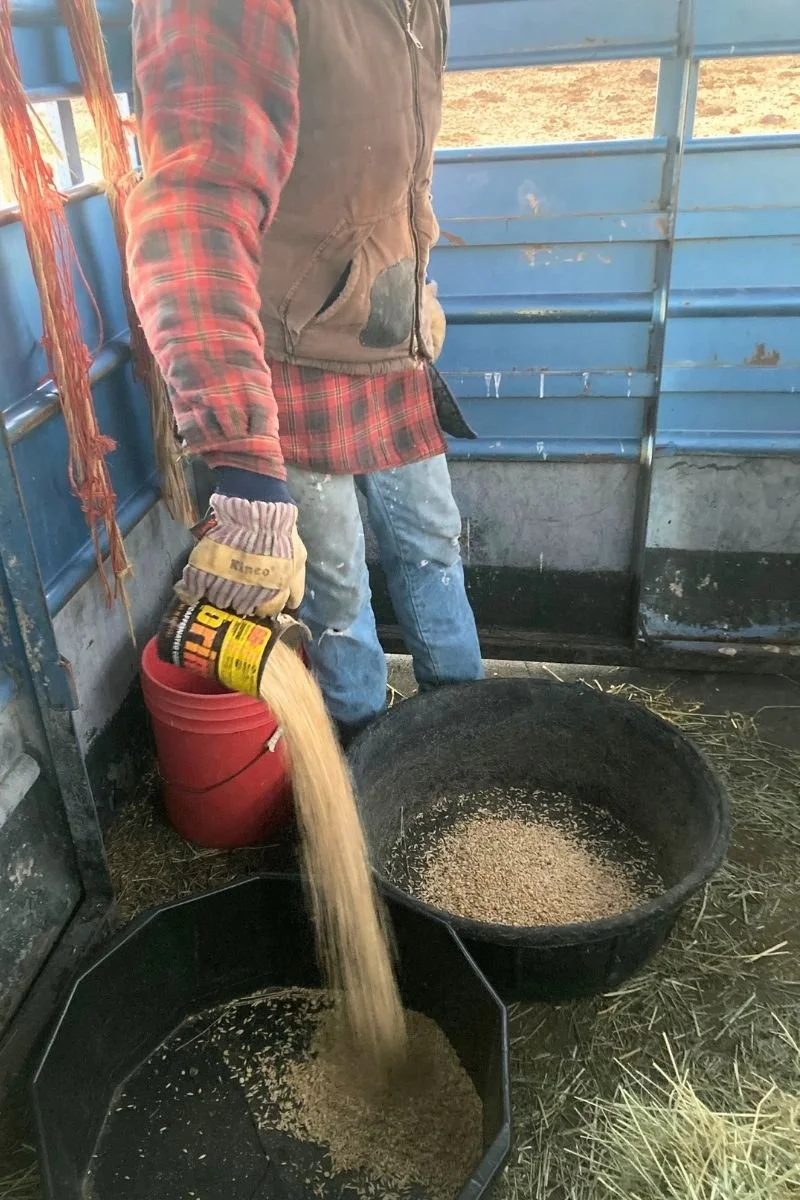
No—but it’s the easiest method for most homesteads.
Flushing can be done with:
Top-quality pasture
High-quality hay (especially alfalfa or grass/alfalfa mix)
Grain or grain mixes
A combination of the above
However, during late summer and early fall when pasture quality drops, grain becomes your most reliable, consistent tool.
How I Flush My Ewes (My Real Homestead Schedule)
This is my exact schedule for my mature dairy ewes:
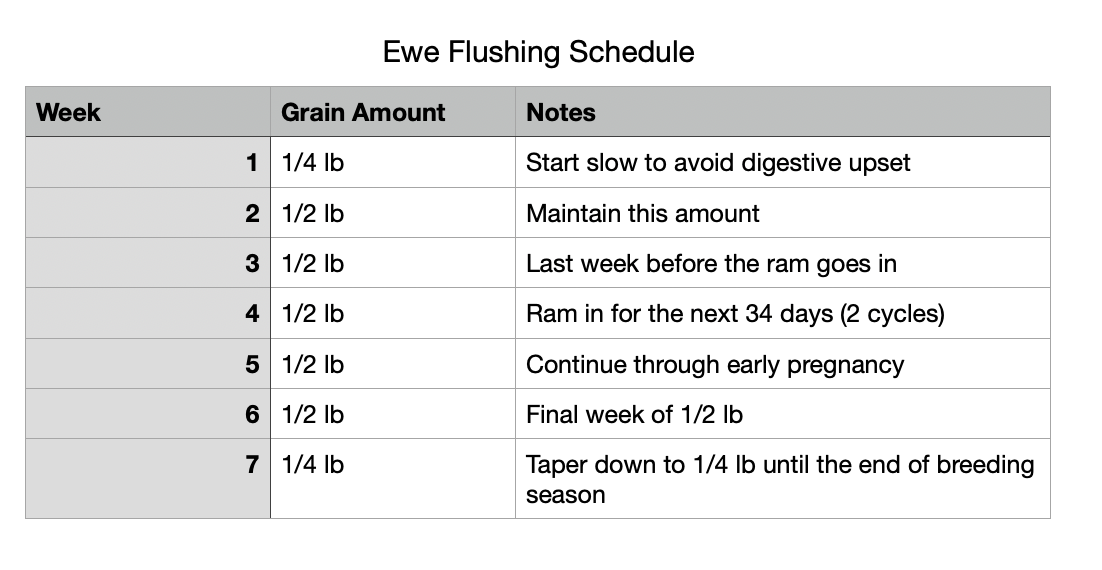
A couple important notes:
I do not flush ewe lambs. I don’t want them producing more lambs than they can successfully raise on their first year. Even without flushing, most of mine still have twins.
You need to feed according to what YOUR sheep need. If your ewes are heavy milkers and are thinner at the end of the season, they may need grain for a longer period or a larger portion to help them reach their ideal weight by breeding season. Read more about finding their proper weight in my post about body condition scoring.
Also check out the importance of how and when to dry up your ewes, and how it affects their fertility here.
To learn more about preparing all of your sheep for breeding season (including your rams) check out this post.
Get My Free Flushing Schedule Template
Want a simple, plug-and-play schedule you can follow each breeding season? I made a 2-page Flushing Schedule PDFthat includes:
✔ My exact real-life schedule (amounts + timeline)
✔ A clean blank template you can customize for your flock
It’s the perfect quick reference to print and tuck onto your barn clipboard.
Just enter your name and email below to download it — free!
How Long Should You Flush Ewes?
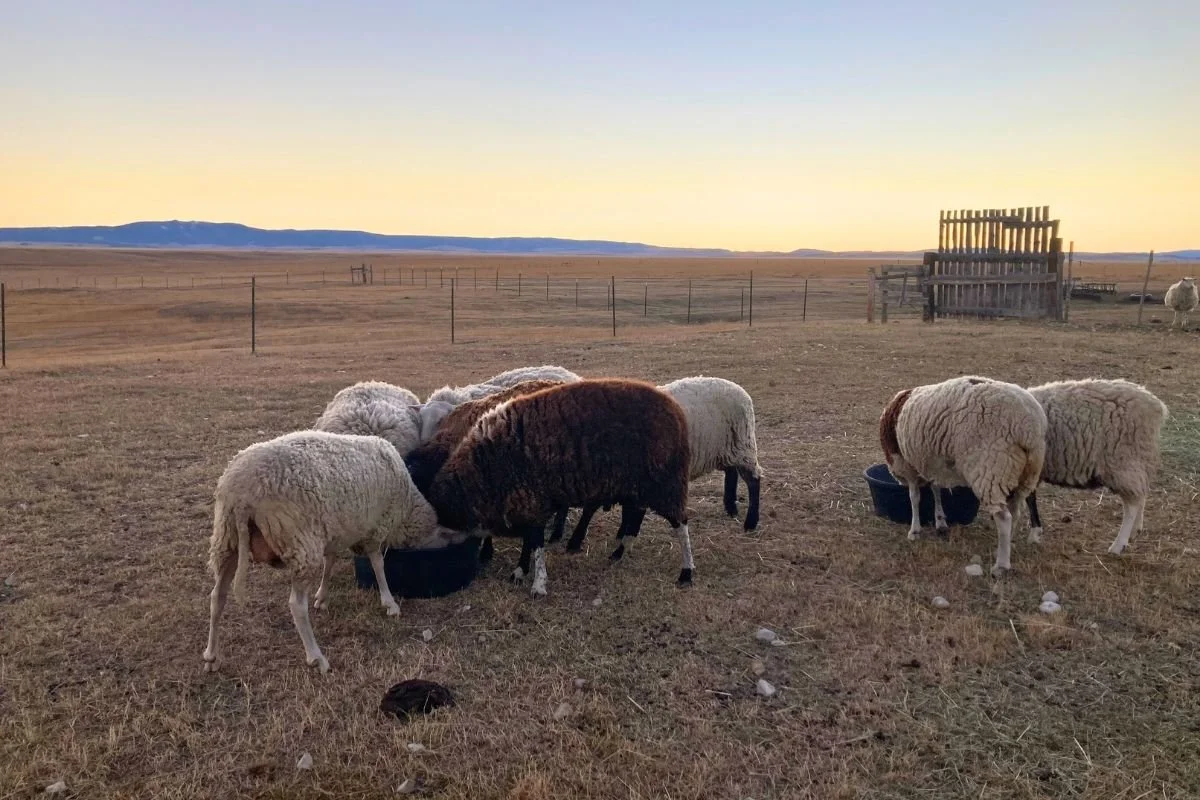
General rule:
3 weeks before breeding + 30 days after breeding = 7 weeks total
Stopping too early may reduce embryo implantation success. The first 30 days after breeding, the embryo is free floating in the uterus. Around 30 days, the embryo implants into the wall of the uterus. Before implantation occurs, any disruption or stress to the ewe can cause her to resorb the embryo.
Body Condition Considerations
Flushing is most effective for ewes who are:
At a BCS of 2–2.75
Coming off lactation
First-time breeders
Older ewes who struggle to hold condition
Do NOT flush:
Overweight ewes (BCS 3.5+)
Ewe lambs
Why Timing Matters for Milk Production
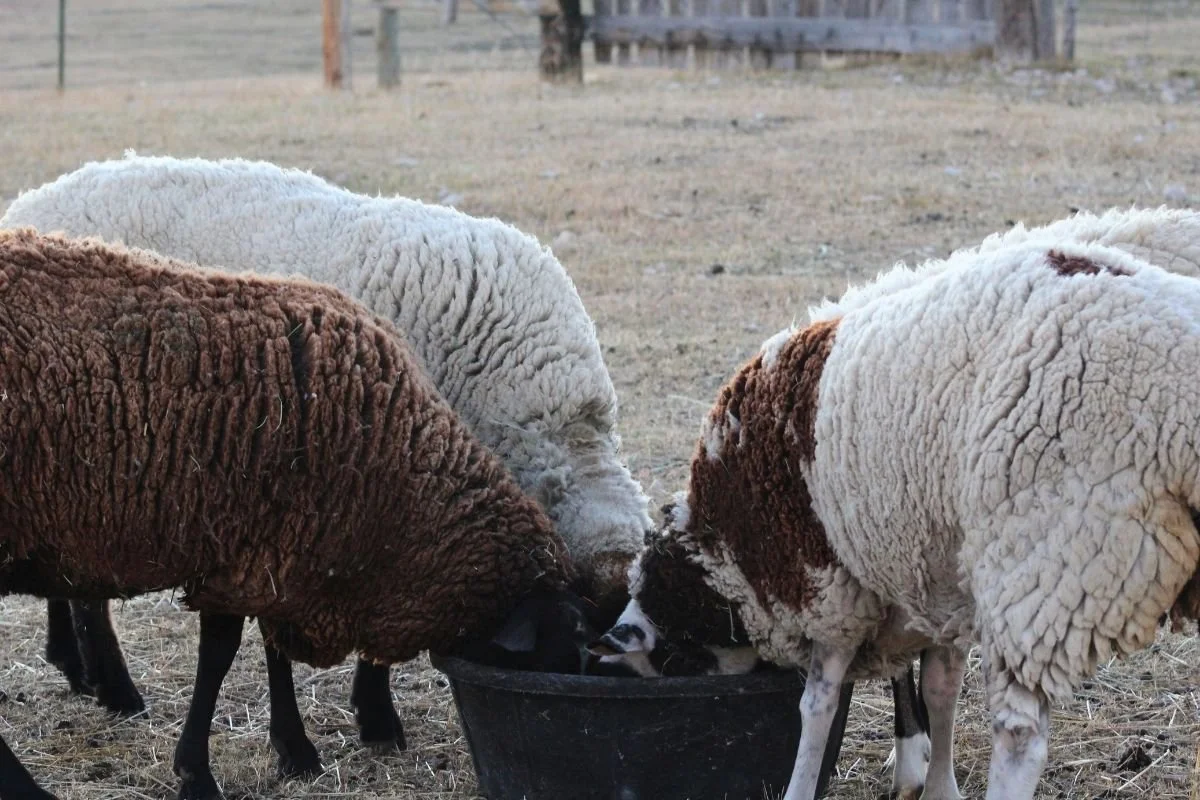
Flushing aligns perfectly with early pregnancy—the period when placentas are forming.
The size and health of those placentas determine:
Lamb survival
Lamb vigor
Milk production throughout the next lactation
A ewe underfed during this time cannot “catch up” later—milk production is limited by the placenta she builds right now.
This is why I dry off my dairy ewes one month before breeding: I want them to have the body condition and nutritional support they need to build excellent placenta(s). Read more about drying up your ewe here.
FAQ: Flushing Ewes
Do all ewes need flushing?
No. Ewes in perfect condition on great pasture might not need extra feed. But most dairy ewes benefit from at least a small increase.
Will flushing guarantee twins?
Not always, but it significantly increases ovulation rates and improves embryo survival. I rarely have singles in my flock, mostly twins with a fair amount of triplets and even quadruplets! Twins are always my goal.
Can you overfeed during flushing?
Yes. Too much grain can cause rumen upset, acidosis, or reduce fertility. Small, steady increases work best.
I hope this post helped clarify exactly what flushing is and if you need to do it on your homestead. If you still have any questions please comment below or send me an email and I’ll do my best to help you!
Pin for Later
