What My Sheep Actually Eat in a Montana Winter (And What It Costs)
If you're considering dairy sheep for your homestead, one of the first questions you probably have is: "How much will it actually cost to feed them?" Winter feeding is one of your biggest ongoing expenses as a sheep owner. Let me give you the real numbers from my own operation here in central Montana, where winters are long and cold, and hay is the foundation of our feeding program.
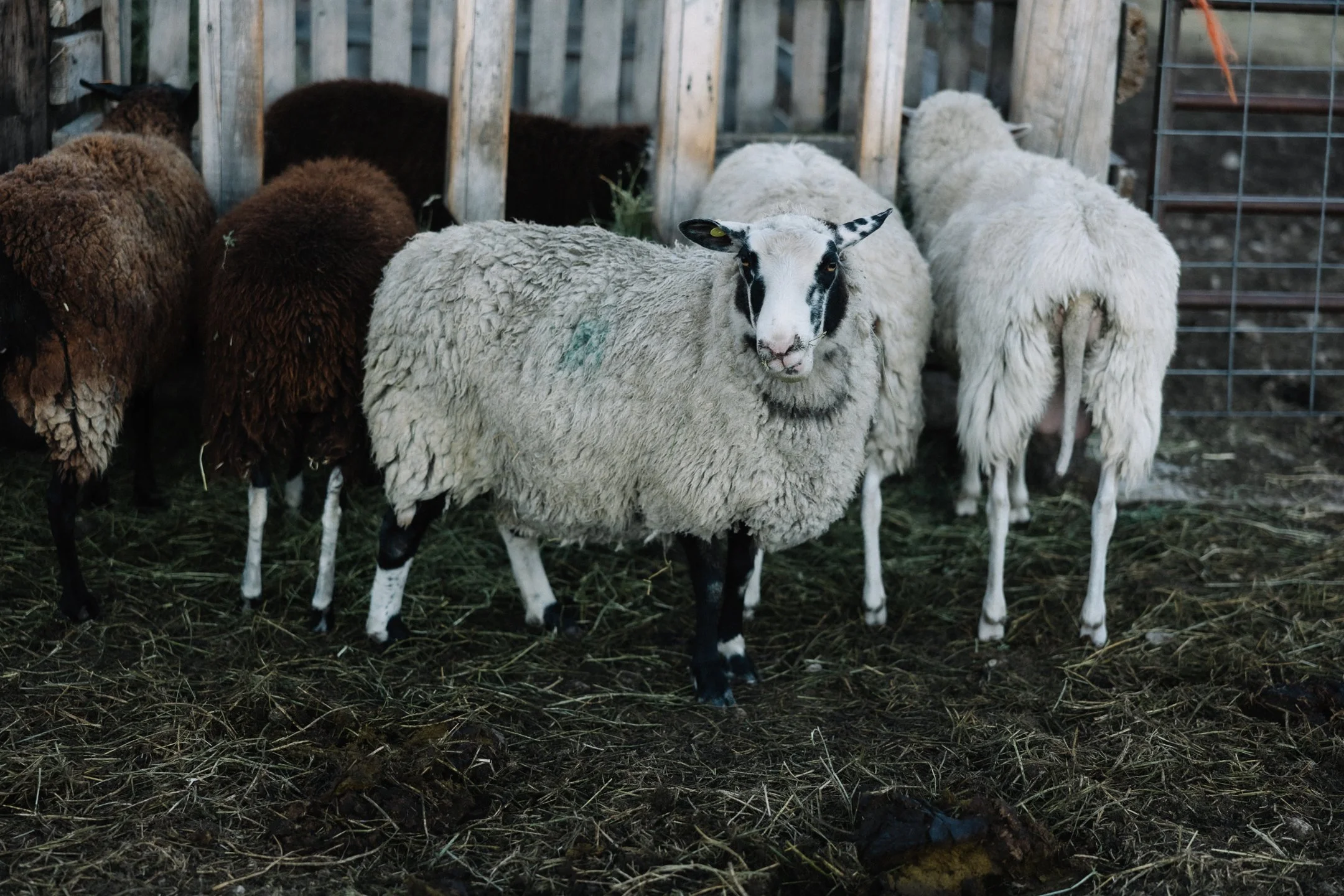
I'm going to walk you through exactly what I feed my flock of sheep through a Montana winter, break down the costs per sheep per month, and share the systems I use to keep everyone healthy and hydrated when temperatures drop below zero. My goal isn't to scare you with numbers, but to give you realistic expectations so you can budget confidently and avoid the sticker shock that catches so many new shepherds off guard. Whether you're in Montana or somewhere with milder winters, you can use these numbers as a baseline and adjust for your own local hay prices and climate.
Breaking Down My Winter Sheep Feed Costs: The Real Numbers from Our Montana Homestead
Let me start with some context so you can scale these numbers up or down for your own situation. I'm currently feeding 30 head of sheep through winter. We're located in central Montana where winter lasts from roughly November through April, and we regularly see temperatures well below zero. Your costs will vary based on your location, hay prices, and how harsh your winters are, but this should give you a realistic framework to work with.
The Foundation: Hay Consumption and Costs
Hay is the backbone of winter sheep feeding, and it's where most of your money will go. I estimate that each of my sheep eats about 5 pounds of hay per day during winter. Now, if you look up recommendations from university extension offices, you'll often see estimates closer to 3 pounds per day for sheep. I intentionally estimate higher for a few important reasons: it accounts for waste (because sheep are picky eaters and will scatter hay around), it ensures I have enough during winter storms when sheep need extra calories to stay warm, and it gives me peace of mind that I'm not cutting things too close.
Our hay program: We feed primarily large round bales of 1st cutting alfalfa—it's nice quality, leafy, but a little stemmy. We also use 2nd cutting alfalfa/grass mix and keep some small square bales of alfalfa/grass mix on hand for easier handling when needed. All of our hay is sourced locally from neighbors, which helps keep costs down and ensures we know the quality of what we're feeding.
The math:
Each sheep eats approximately 5 lbs of hay per day
That's 150 lbs per month per sheep (5 lbs x 30 days)
For my flock of 30 sheep, that's 4,500 lbs of hay per month total
Cost per ton of hay: $165
Monthly hay cost per sheep: $12.38
Monthly hay cost for entire flock: $371.40

One thing I've learned over the years: don't cheap out on hay quality. Poor quality hay means your sheep won't get the nutrition they need, they'll waste more of it, and you'll end up spending money on supplements or buying more hay.
Grain and Supplemental Feed
I don't feed grain year-round, which helps keep costs manageable. Instead, I strategically supplement at key times when my ewes need extra nutrition.
When I grain:
Fall flushing: I start grain about three weeks before turning the rams out with the ewes, and continue for 30 days after breeding. This "flushing" helps improve ovulation rates and early pregnancy establishment.
Pre-lambing: I start grain again about 6 weeks before my lambing window begins. This supports the rapidly growing lambs in late pregnancy and helps ewes build body condition for lactation.
Grain costs:
Type of grain: Oats, barley & pea mix from a local ranch
Amount per sheep during supplementation (flushing & pre-lambing): 58.5 lbs
Cost per ton: $200
Cost per sheep: $5.85
Cost for my entire flock: $175.50
Since I'm not feeding grain for the entire winter—only during flushing (roughly 7-8 weeks in fall) and pre-lambing (6 weeks in early spring)—grain costs are spread across specific periods rather than every month. This targeted approach saves money while still giving my ewes the nutritional boost when they need it most.
Minerals and Salt: The Overlooked Essential
Minerals might seem like a small expense, but they're critical for sheep health—especially reproductive health, hoof quality, and immune function. I've found a cost-effective system that works well for us.
My mineral program: I buy salt in bulk 50-lb bags and purchase mineral from Premier 1 Supply, then mix them together myself. This is hands-down the most cost-effective way I've found to provide quality minerals to my flock. Pre-mixed mineral/salt blends are convenient but significantly more expensive!
Mineral costs:
50-lb bag of salt: $6.99
Premier 1 mineral: Sheep Trace Mineral Premix $16.99 / bag
How long this lasts for 30 sheep: Four months
Monthly mineral/salt cost: About $6 / month for 30 sheep
Cost per sheep per month: $0.20
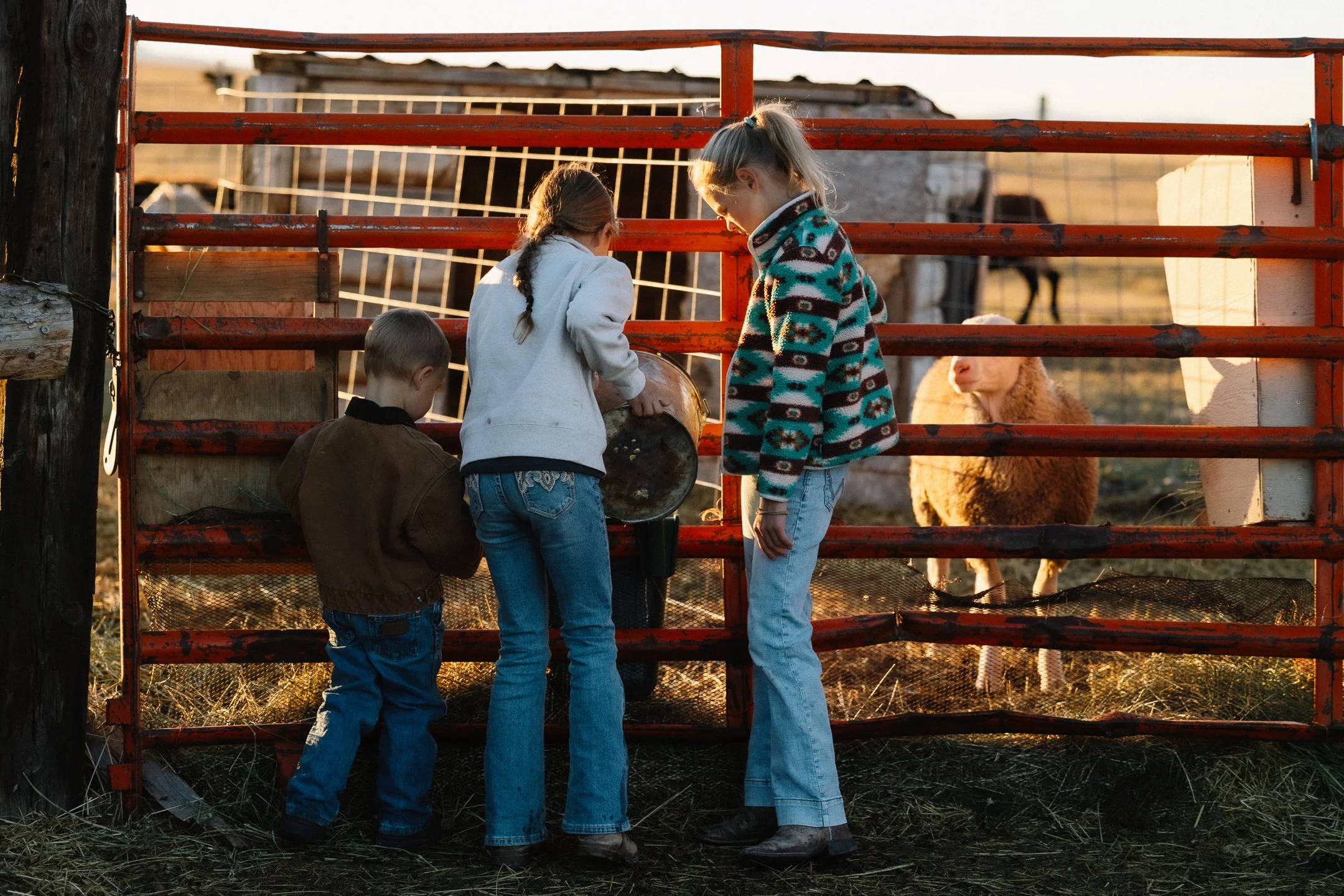
I keep minerals available free-choice year-round in feeders protected from rain and snow. Sheep will self-regulate their mineral intake based on their needs, which is why free-choice access is so important.
Water: Keeping It Flowing When It's Freezing
Our water system: We use a combination of waterers to keep our flock hydrated:
Two ground heat waterers: These are buried about 8 feet deep in the ground and use geothermal heat to help keep the water from freezing solid. Even with ground heat, when temperatures drop really low, we do get ice on top that we have to break, but it's usually manageable—not the thick, solid ice you'd get in a regular stock tank. We check these twice daily to break the ice if needed. These have a float so they refill automatically as needed.
Automatic above-ground waterer with heater: This one requires an electric heater to keep it thawed. It still needs ice broke on the top and it does add to our power bill.
Old bathtub with floating heater: We repurposed an old bathtub as a waterer and use a floating stock tank heater to keep it ice-free. This also increases our electricity usage during winter.
Winter water management tips:
Swap out any plastic buckets for rubber ones before cold weather hits—rubber won't crack when water freezes
Check water at least twice daily in cold weather
Factor in increased electricity costs for heated waterers
Winter water costs:
Electricity increase for heated waterers: This depends on how cold it is and for how long but can be anywhere from $20-$60 per month
Maintenance/replacement (heaters, etc.): $30
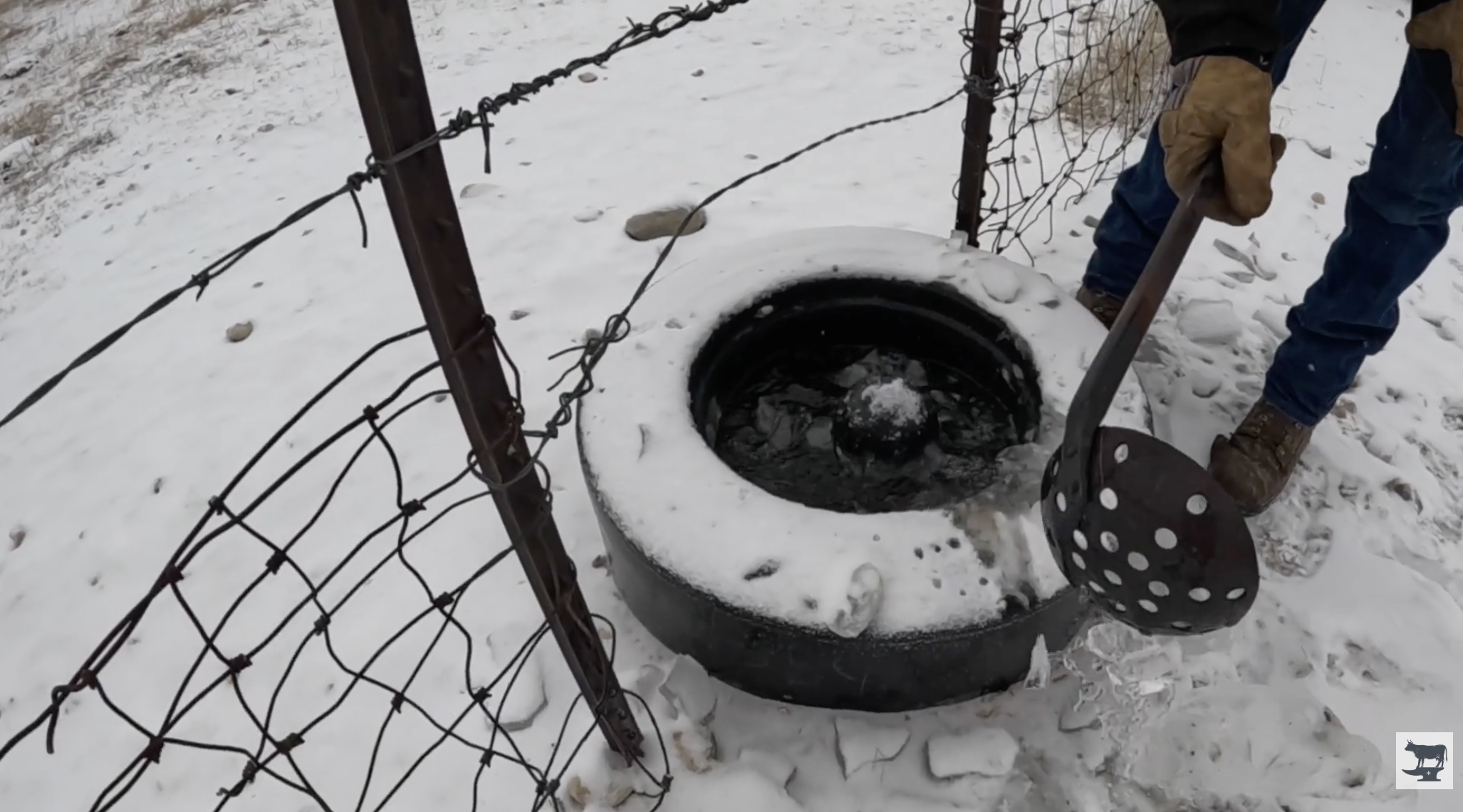
Like our ice ladle? You can watch how my husband built ours here!
The Bottom Line: Total Monthly Winter Feed Cost Per Sheep
Let me add this all up for you based on my 30-head flock in Montana:
Per sheep, per month (winter months):
Hay: $12.38
Grain (during supplementation periods only): $1.95
Minerals/salt: $0.20
Water (electricity portion divided by flock): $1.33
Total monthly cost per sheep: $15.86
Total monthly cost for my entire 30-head flock: $475.80
Keep in mind that these numbers reflect:
Montana hay prices (which may be higher or lower than your area)
A harsh winter climate where sheep need more calories
My choice to estimate 5 lbs of hay per day rather than 3 lbs
Strategic grain supplementation rather than year-round feeding
Variables That Will Affect Your Costs
Your winter feeding costs will differ from mine based on several factors:
Local hay prices: This is the biggest variable. Hay prices fluctuate dramatically based on location, drought conditions, and local supply. In some areas, hay might be half what I pay; in others, it could be double. Call around to local hay producers in summer to get accurate pricing for your area.
Winter severity: Sheep in Texas won't need the same caloric intake as sheep in Montana. The colder the climate, the more calories sheep burn just maintaining body temperature.
Hay quality: Higher quality hay (like pure alfalfa or quality grass/alfalfa mix) costs more but provides better nutrition per pound. Lower quality hay is cheaper upfront but you'll feed more of it and may need more supplementation.
Cutting: Generally, the later the cutting, the better the quality and the more expensive it is per ton. In Montana, we are lucky to get a 2nd cutting sometimes, let alone a third or better.
Flock size and buying in quantities: Buying hay in large quantities (like big round bales) is more economical per pound than small squares, but only makes sense if you have enough sheep to use it before it spoils. The same goes for grain - it is much more economical to buy by the “ag bag” (usually a ton) vs buy the 50lb bag at the feed store.
Your management style: Some shepherds feed more conservatively (closer to that 3 lb/day estimate), while others prefer to feed more generously like I do or even more generous than me by giving their sheep free choice access to hay all the time. None is wrong—it's about what works best for you and your operation.
My Honest Take: Is It Worth It?
I'm not going to sugarcoat it—winter feeding is a significant ongoing expense. But here's what I want you to understand: these costs are predictable and manageable when you plan for them. The real financial disasters I've seen other shepherds face come from buying cheap, poor-quality sheep that require constant vet care, or from not budgeting for winter feed and scrambling to find hay mid-winter when no one has any left to sell.
When you buy healthy, well-bred dairy sheep and feed them properly, you're setting yourself up for success. My ewes lamb easily, milk well, and stay healthy year after year because they're well-nourished through every season. That reliability is worth far more than the money I "save" by cutting corners on feed.
If you're budgeting for your first flock, I recommend:
Call local hay producers now and get actual prices for your area - decide if organic is important to you because alfalfa hay is often sprayed with roundup.
Plan for 5-6 months of winter feeding depending on your climate
Add 10-20% buffer to your estimate for unexpected costs or price increases
Factor in infrastructure costs like waterers, feeders, and hay storage in your first-year budget
Ready to Start Your Dairy Sheep Journey?
Understanding the real costs of sheep ownership is one of the most important steps in deciding if dairy sheep are right for your homestead. If you're still in the research phase and want more guidance on getting started with dairy sheep—from choosing the right animals to setting up your infrastructure—I'd love to help.
More dairy sheep content I think you’ll love:
FAQ: Winter Sheep Feeding Costs
-
You won’t really be lowering costs because the sheep will either waste more of the lower quality hay or they will eat more to fulfill their nutritional needs.
-
Everyone’s management style is different so you can choose to do whatever you like! You DO NOT have to feed grain to flush, you can read more about different options here.
You also do not have to feed grain pre-lambing. I choose to do so because I feel that it is hard for ewes to eat enough roughage (hay) to fulfill their nutritional requirements when their bellies are full of babies.
-
As someone who always likes to be prepared, I’d advise strongly against this. Depending on your location it may be VERY hard to find hay in winter, or perhaps not. Either way, it is likely to be a lot more expensive to buy hay in winter than in summer.
-
This is a great question! A great way to know where you are at is by body condition scoring your sheep. It can be difficult to do when they are in full wool, but you can read more about how to do that here.
Another way to know is by how much the sheep are wasting. If they are leaving a lot behind (including leafy stuff) you may be feeding them too much. If they are completely cleaning it up, you might not be feeding quite enough. I like when they leave behind some stems and that’s about it.
Pin for Later
Share with your friends!
Want more practical guidance on raising dairy sheep? Join our email community: