Getting Started with Dairy Sheep: A Complete Supply List for Beginners
Starting your dairy sheep journey is exciting, but knowing what supplies you actually need can feel overwhelming. In this comprehensive guide, I'll break down everything you need to get started with dairy sheep—from basic shelter and fencing to milking equipment and lambing supplies—so you can plan your setup with confidence.
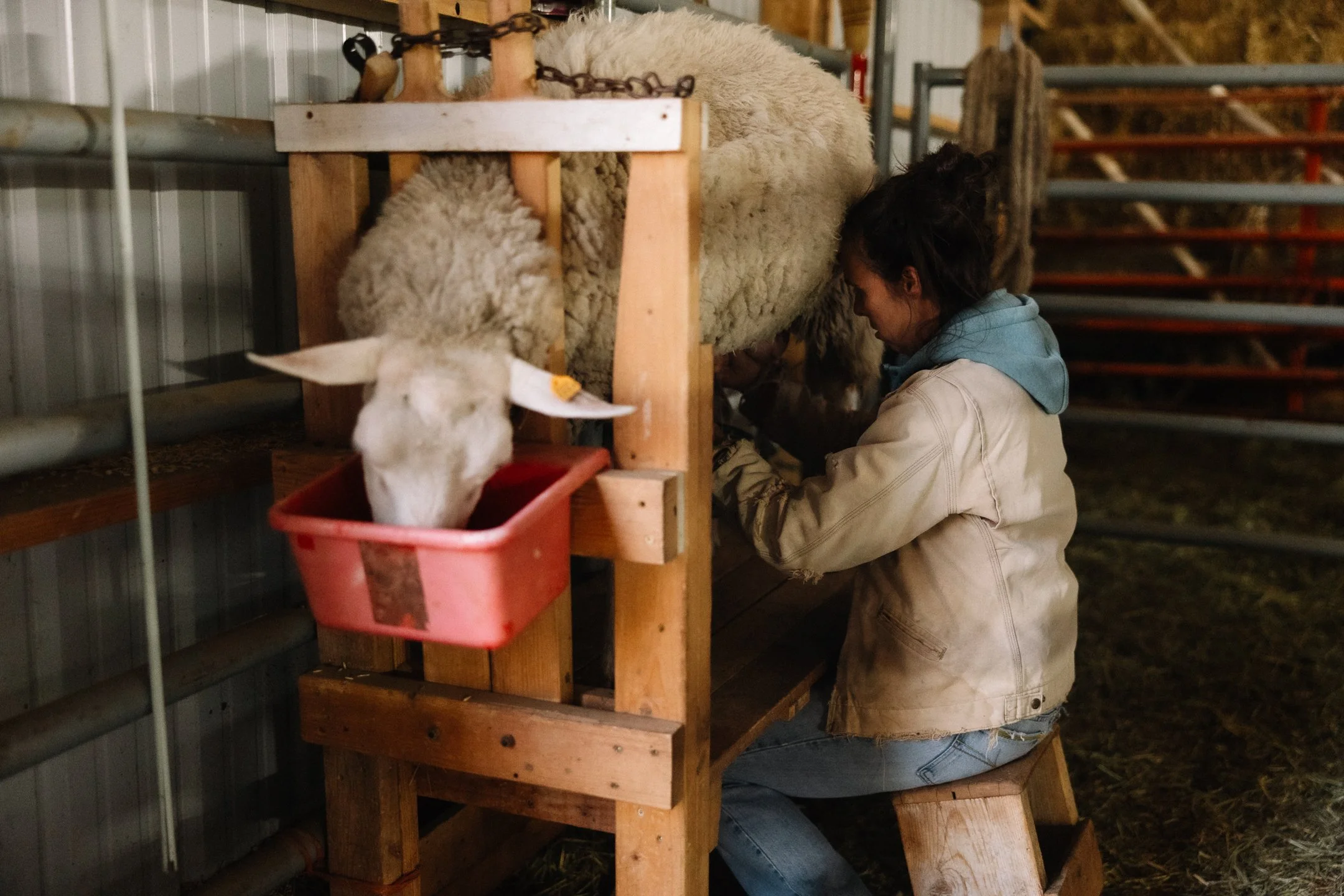
When I first started with dairy sheep, I dove in head first and brought my sheep home before getting any supplies. While it worked out ok, it’s not the recommended path for most - read on for my complete supply list for those just getting started.
What You Need to Get Started With Dairy Sheep
Starting with dairy sheep doesn’t require a fancy setup or thousands of dollars in equipment. At its core, dairy sheep ownership comes down to good housing, proper nutrition, basic health care, and a simple milking routine. Let’s break it down.
Shelter & Space for Dairy Sheep
Sheep need:
a place to live: pasture or dry lot
Some sort of shelter
Water
Lets expand on each of these.
The first thing you need for sheep is a place to live. That can be pasture or a dry lot. Pasture is ideal for many reasons, number one being that they can spend time grazing and your hay needs are less.
Dry lots are ok as long as sheep have plenty of space and are well fed with hay. Drylotting can actually be beneficial for preventing (or lessening) parasite burdens.
Whichever you decide on, it needs to be securely fenced. Read more about sheep fence here.
Shelter does not need to be fancy. In fact, barns or sheds that are too tight and poorly ventilated often cause more problems (like pneumonia) than they prevent. Sheep are well-equipped to handle cold weather thanks to their thick wool coats.
A run-in shed or windbreak is often more than enough. One important consideration: ensure your shelter has plenty of room for all your sheep plus their lambs. Crowding leads to lambs getting trampled. Creating a separate creep area where lambs can escape from larger sheep keeps them safe and gives them their own space.
Fresh, clean water must be available at all times. Automatic waterers are convenient but a simple trough works just fine if you check it daily.
Predator Control & Keeping Sheep Safe
Sheep are prey animals, which means predator protection is non-negotiable. Even in areas without wild predators, domestic dogs often pose a serious threat to sheep.
You have two main options:
1. Livestock Guardian Dogs (LGDs)
Guardian dogs can be very effective when properly trained and managed. They live with the sheep full-time and actively deter predators by their presence. However, they are a long-term commitment and come with their own learning curve, costs, and management considerations.
2. Secure nighttime housing
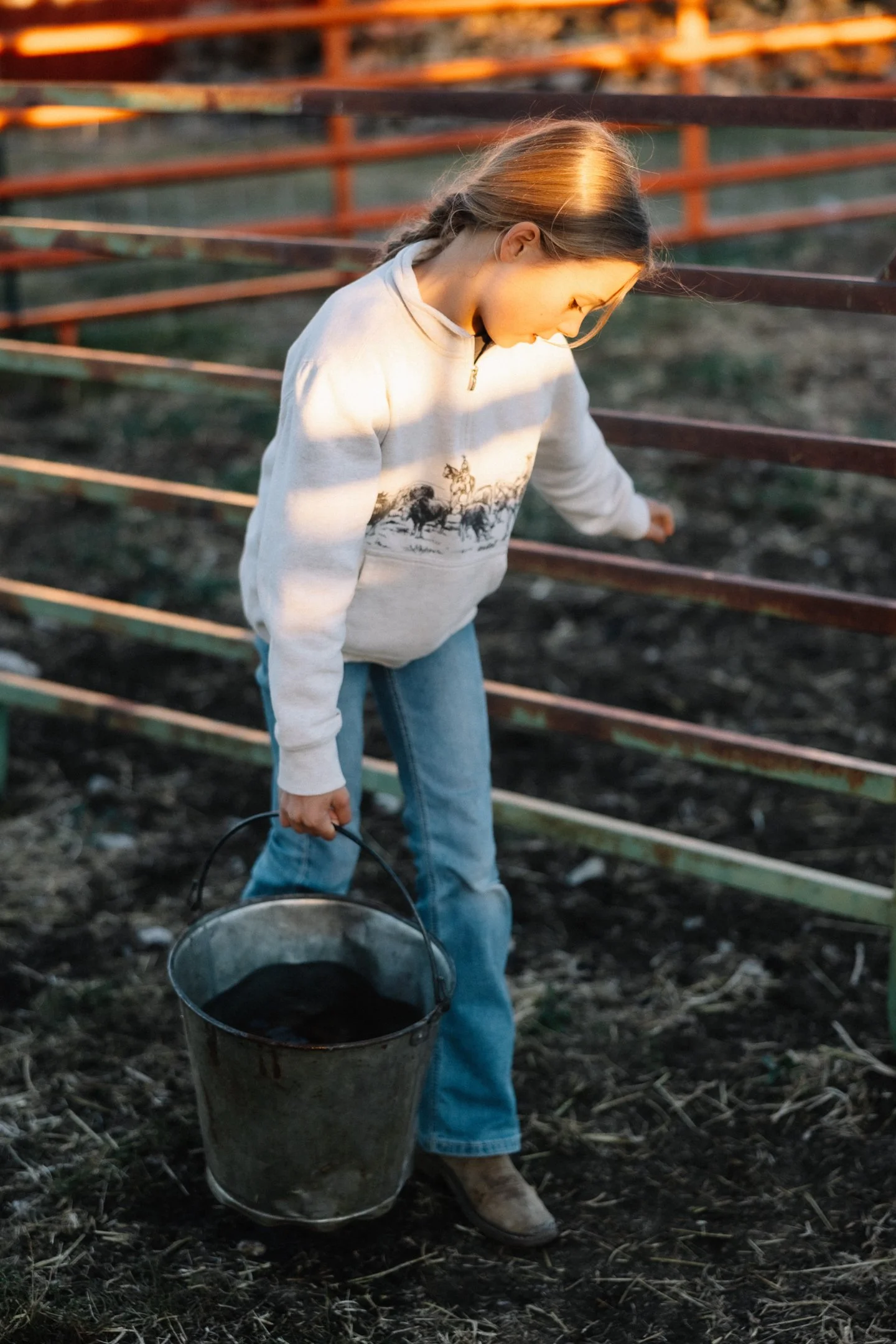
The second option—and the one we use—is bringing sheep into a safe, enclosed area each night. Every evening, we bring our entire flock into a secure corral, and they stay there until morning.
This method works well for us and has been very effective at preventing losses to predators. It does require daily consistency, but for our setup and lifestyle, it’s the best solution.
There’s no one-size-fits-all answer when it comes to predator control. The right choice depends on:
Predator pressure in your area
Your land layout
Your daily schedule
Your comfort level with managing guardian animals
What matters most is having a plan that you can realistically maintain, because sheep rely on you for their safety.
Feed and Mineral Requirements
Proper nutrition keeps your dairy sheep healthy and productive. Your feeding program will depend on your climate, pasture quality, and the time of year.
Hay & Feeders
Hay: Unless you live in a climate with year-round grazing (most of us don't), you'll need to provide hay. I plan on 5 pounds of hay per sheep, per day for every day that I need to feed. For us, that looks like most seasons except summer! You can deep dive into how much it really costs me to feed my sheep during the winter, here.
Feeders: While you can feed hay on the ground, this creates enormous waste. Sheep will trample it, urinate and defecate on it, and refuse to eat it. Since hay isn’t cheap, a feeder is well worth the investment.
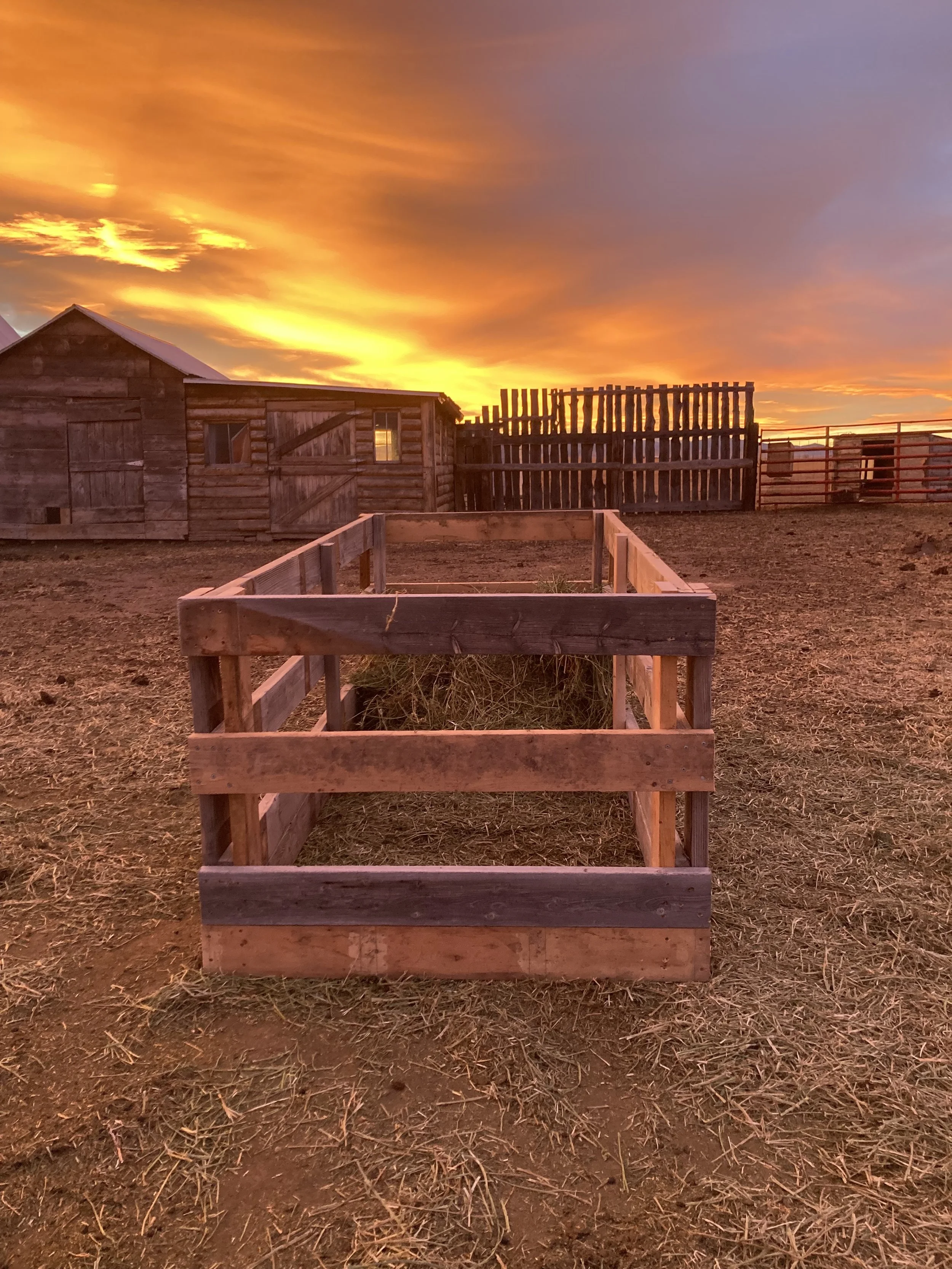
Hay feeders come in many forms:
DIY or store-bought
Fixed or movable
Designed for round bales or square bales
Choose what works best for your setup, budget, and hay type.
Pasture & Rotational Grazing
If you can rotate your sheep through different paddocks, you'll dramatically improve pasture health and reduce parasite loads. Rotational grazing significantly reduces internal parasites in sheep. This doesn't have to be complicated—even a simple cross-fence dividing your pasture in half works. Graze one side for a set period, then switch to the other.
For those wanting to maximize benefits, electric fencing allows you to move sheep to fresh pasture daily. While more time-consuming, this method is highly effective and well-researched. My setup includes three pastures that we rotate through, which has worked well for us. The best method is ultimately the one that fits your lifestyle and you'll actually maintain.
Grain (Optional)
Grain isn’t required, but it can help dairy sheep maintain body condition—especially during lactation. I also use grain as a training tool to gentle young stock and teach ewes to jump onto the milk stand.
Mineral (Not Optional)
Mineral should be offered free choice at all times and kept under cover so rain doesn’t ruin it. There are several options available, including cafeteria-style minerals or pre-mixed bags.
I personally use Premier 1’s bagged mineral mixed with 50-lb bags of salt, which I’ve found to be the most cost-effective option.
For mineral feeders, just like hay feeders, you can make a DIY solution or purchase a ready made feeder.
Milking Setup & Supplies
Your milking setup can be as simple or as elaborate as you’d like. You need:
a place to milk
Supplies to wash udders
Containers for collecting milk
Milk filters
Containers for storing milk
Cooling milk setup
A place to milk:
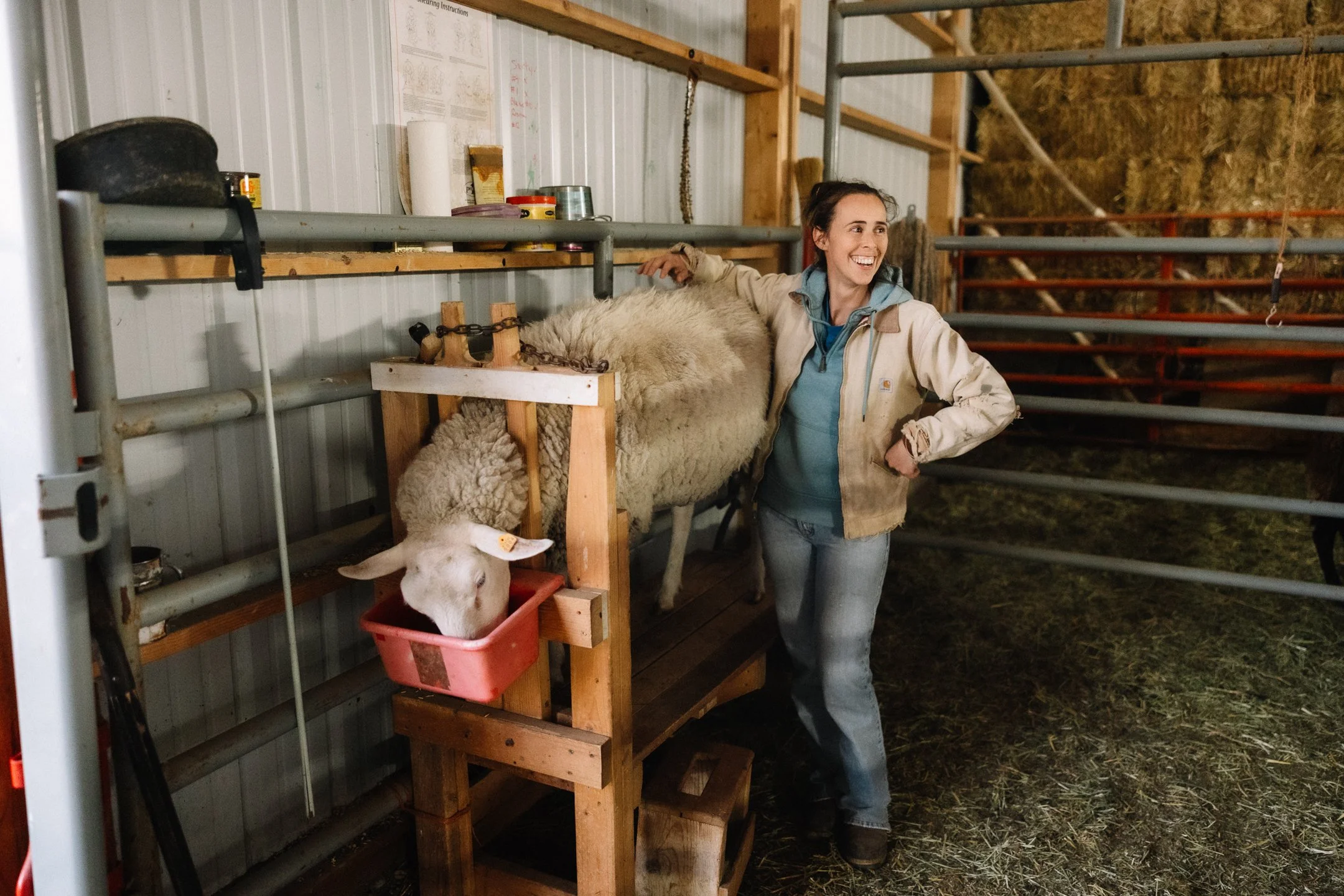
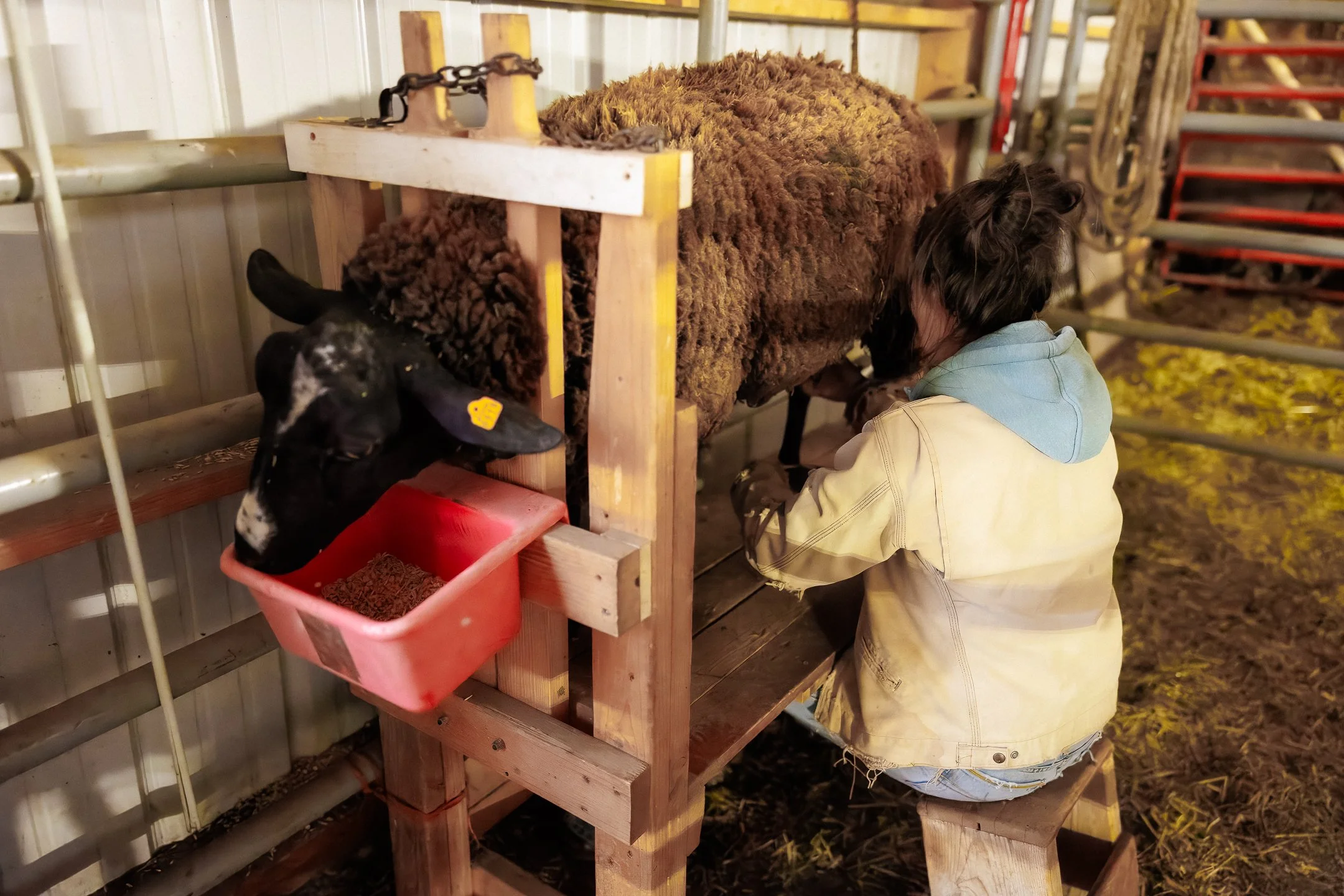
Some people tie sheep to a fence and milk on the ground using a halter or collar. While that works, I personally prefer a milking stand—it’s more comfortable and efficient.
Side note on using halters or collars on sheep: never leave a halter or collar on an unattended sheep. Getting hung up on something then dying is a very real possibility.
My husband built me a stand originally designed for goats and modified for sheep. If I were building from scratch, I’d make it slightly taller and wider.
Udder prep:
I take a container of hot soapy water and towels to wash each ewe's udder before milking. Dairy wipes are an alternative if you prefer. Some people use pre-dips and post-dips (iodine-based solutions to sanitize teats before and after milking). I used these when I first started but haven't found them necessary for my situation. However, if I experienced problems like off-flavored milk or mastitis, I'd immediately implement stricter protocols. Do what makes you comfortable.
Container for collecting milk
Stainless steel buckets are my go-to. You can use what you have available to you. I have smaller (1/2-3/4 gallon) buckets that I like to use when milking my sheep.
I also bring glass jars or a separate lidded bucket when milking multiple sheep. This way, I can transfer each ewe's milk after milking her—if someone kicks over the bucket, I don't lose everything.
Filtering:
After collecting milk, you'll need to filter it. I've used these filters for years and love them.
Storage jars:
After filtering, I pour my milk into clean glass jars. I have many sizes depending on how much milk I am getting. From 1 gallon on down.
Cooling milk:
Before you ask—no, you can't just stick warm milk straight in the fridge. Milk is the perfect medium for bacterial growth, and after all that work, you want it to last as long as possible. Rapid cooling is essential for milk quality and longevity. [Read more about why proper milk cooling matters here.]
I use a cooler with cold water and a small pump. After adding jars of warm milk, I add as many ice packs as will fit, bringing the water level up to the jar shoulders. The pump circulates the cold water, and I leave the jars for about two hours before drying them off and transferring to the refrigerator. [Here's a pump similar to what I use.] Mine has lasted over 10 years and still works perfectly.
Before I bought the pump I used to stick my jars of milk either in my sink or in a large stockpot. I’d add ice packs (frozen water bottles) and cold water up to the shoulder of the jars. In lieu of a pump, I would agitate the jars by hand every 20 minutes or so.
A note on Hand Milking vs. Machine Milking
A milking machine is a nice-to-have, not a necessity. I successfully milk many sheep by hand without problems. If you plan to hand milk, make sure any ewe you purchase has suitable udder conformation—teats should be positioned at the bottom of the udder and be long enough to grip with your whole hand. You can hand milk ewes with shorter teats, but it's much more taxing on your hands.
Basic Health, Meds & Barn Supplies
With a small flock, keeping a large medicine cabinet often isn't practical—products expire before you use them. However, a few essentials are worth having:
Baking soda (not a medicine, but essential for preventing bloat, especially when sheep consume clover or grain)
Mineral oil
A drenching gun (for administering oral medications)
Vaccine if you plan on vaccinating (I vaccinate with CDT annually)
Syringes and needles (for administering medications)
Vetericyn (for wound care)
Deworming supplies (Depending on your management approach, you'll need either chemical dewormers or herbal alternatives. Rotational grazing significantly reduces the need for frequent deworming)
Hoof trimmers - you’ll need these unless you live somewhere rocky that the sheep naturally wear off their hooves or you plan to pay someone to do this
Shearing equipment - shears, blade, comb and blade oil (This is a significant investment, not to mention a steep learning curve so many small flock owners hire professional shearers instead)
A vaccine gun is a nice investment if you have many sheep, but it's expensive and unnecessary for small flocks.
Establishing a good relationship with a large animal veterinarian is crucial. When inevitable health issues arise, you'll need medications such as antibiotics, especially since keeping a fully stocked medicine cabinet isn't cost-effective with just a few sheep.
A way to breed your ewes
Arguably, one of the most important things you need for dairy sheep is a way to breed them every year — because without that, you won’t have milk. Here are your options:
Buy or borrow a ram to service your ewes
Haul your ewes to a reputable farm to be bred
Artificial Insemination - this isn’t as practical in sheep as it is in cows because it is performed laparoscopically and requires a specially trained individual to do it
Lambing Supplies

If your ram did his job, the next thing you will need is lambing supplies! Being prepared makes lambing season much less stressful.
Castration and tail docking: You'll need elastrator bands and a bander for castrating ram lambs or docking tails. Most sheep breeds actually have long tails, but they're docked to prevent fly strike—a serious condition where flies lay eggs in soiled wool. Finn sheep have naturally short tails, and East Friesian sheep have "rat tails" (long but without long wool growth).
Identification: Ear tags and a tagger help you track lambs and maintain records. When do you need to tag? I didn't tag lambs my first couple years—my flock was small enough that I knew each individual and their dam. As my flock grew and I began using multiple rams, tagging at birth became essential for maintaining meticulous records. The answer: tag if it helps you manage your flock better.
Colostrum: This is one of the most important lambing supplies. Keep frozen colostrum from previous years or purchase powdered colostrum. Sometimes lambs are slow to nurse after birth and may need to be tubed or bottle-fed to ensure they receive adequate colostrum within the first few hours of life.
Navel care: You'll need iodine to dip each lamb's navel cord immediately after birth. This prevents bacterial infection through the umbilical opening.
Vaccination supplies: If you vaccinate lambs at birth, have vaccine, needles, and syringes ready.
Bottle feeding backup: Hopefully, your ewes will raise their lambs without issues. However, prepare for the worst-case scenario by having milk replacer or another milk source on hand in case you end up with an orphan or rejected lamb. If I have orphan (bum) lambs I often feed them milk from a ewe that has extra or even from my milk cows if necessary.
FAQ Section
-
No. Sheep do very well with simple shelters like run-in sheds or windbreaks, as long as ventilation is good.
-
No, but it can help maintain condition and makes training easier.
-
Not at all. Many dairy sheep can be comfortably hand milked if they have good teat placement and length.
-
No! Buy seasonally and build your supplies as you go. Focus on the basics for your current season—housing, fencing, water, hay feeders, and predator protection. Add milking equipment before your ewes lamb, and stock lambing supplies a month before your due dates.
-
Startup costs vary widely depending on what infrastructure you already have. If you're starting from scratch, expect to invest several thousand dollars in fencing, shelter, hay, and basic supplies. The sheep themselves typically cost $300-$800+ per ewe, depending on breed and quality.
-
Most goat equipment works for sheep with minor modifications. Mineral formulations differ however (goats need more copper than sheep) so always use sheep specific mineral to avoid copper toxicity.
Conclusion
I know this looks like a long list—but remember, you don’t need everything at once. Buy by the season, start with the basics, and build as you go.
What would you add to this list?
Keep an eye out for my upcoming post on beginner cheesemaking supplies, and if you’re planning to butcher your own sheep, be sure to check out this guide here.
Related Posts you might enjoy
Pin for Later
