Are Dairy Sheep Worth it?
Before you bring dairy sheep onto your homestead, it’s worth asking one important question: are they actually worth it? This post walks through the real costs, realistic milk yield, and practical benefits of keeping dairy sheep, so you can decide whether they make sense for your household, land, and goals.
Are dairy sheep actually worth it?
Not in the romantic, Instagram sense.
But in the real, everyday sense.
Worth the feed bill.
Worth the daily responsibility.
Worth the learning curve.
Worth choosing over a cow or a goat — or choosing animals at all.
If you’re asking this question, you’re probably not looking for hype or a fairy tale. You want honest numbers, realistic expectations, and a clear picture of what life with dairy sheep actually looks like.
That’s exactly what this post is.
What “Worth It” Actually Means
Before looking at feed costs or milk yield, it helps to pause and define what “worth it” actually means.
For some people, worth it comes down to dollars and cents. For others, it’s about food quality, self-sufficiency, or the skills gained along the way.
Dairy sheep ask for daily time and responsibility, but they also give you control over your food and a deeper understanding of where it comes from. Whether they’re worth it depends less on a spreadsheet and more on how well they fit your lifestyle, values, and long-term goals.
The Real Costs of Keeping a Dairy Sheep
I’m going to share my costs for keeping dairy sheep. These numbers will vary depending on location, feed prices, and management style, but they should give you a realistic starting point.
Feed & Minerals
Hay
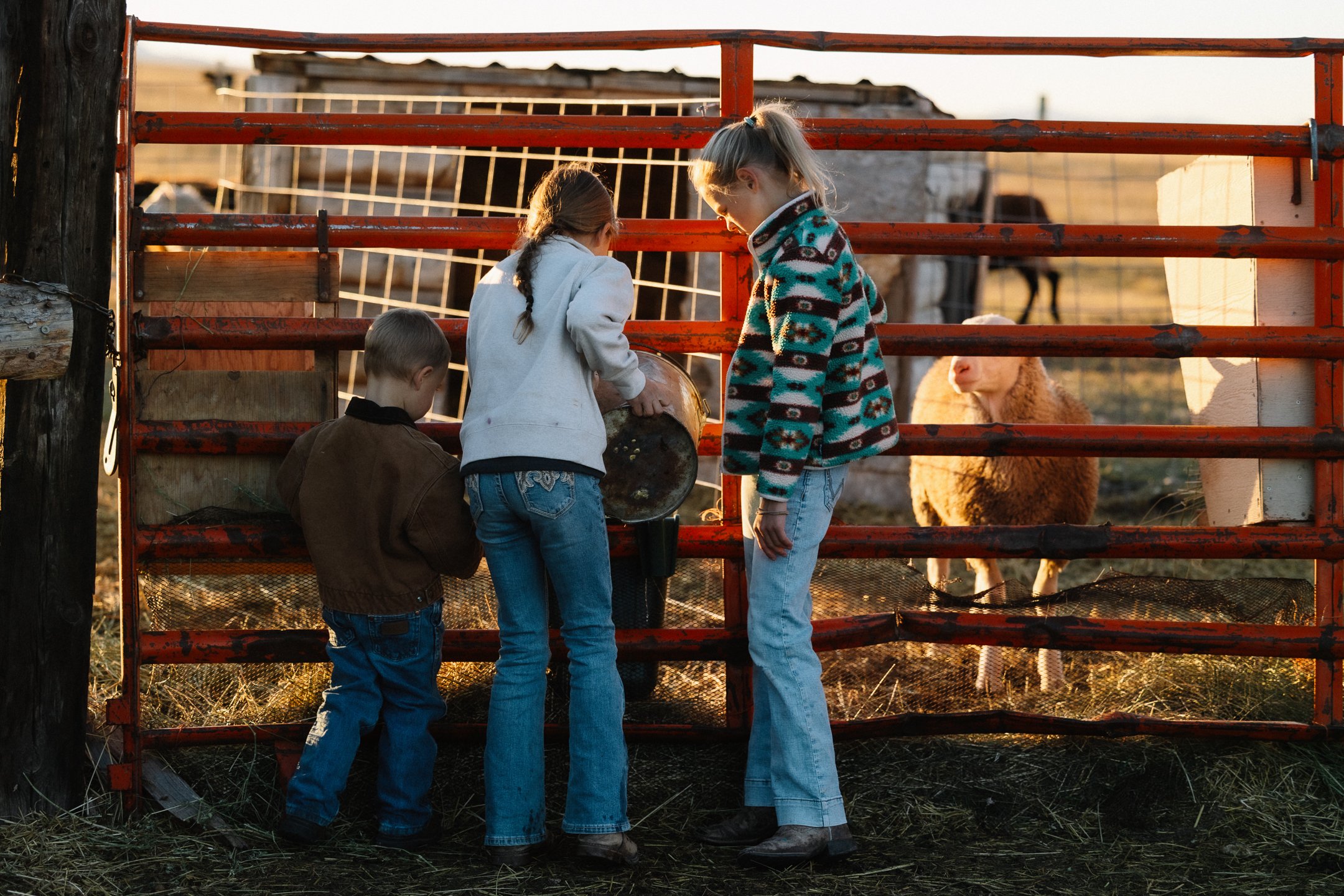
Here in central Montana, we feed hay for about 8 months of the year and graze pasture for the remaining 4 months. In my winter feeding post, I break down exact hay costs, which came out to about $12 per sheep per month in 2025.
That works out to:
$96 per ewe per year in hay
(And yes — this number will likely increase over time.)
Grain
I feed grain during flushing and pre-lambing, which costs about $6 per ewe.
During lactation, I feed an average of 1 lb grain per ewe per day. My ewes lactate for about 6 months (180 days):
180 lbs grain × $0.10/lb = $18
Total grain cost per ewe per year: $24
Loose minerals
Minerals cost me about $2.40 per sheep per year.
For more information on the minerals I feed read this post.
Infrastructure & Equipment
Fencing
Costs here depend heavily on whether you already have fencing. On our homestead, we had existing perimeter fence and modified it for sheep. For our 80 acres, that cost approximately $900.
This is largely a one-time cost, aside from occasional maintenance.
Read all about our sheep fence here.
Shelter
We already had shelters in place, but sheep don’t need anything fancy. A simple three-sided shed out of the wind works well.
Basic milking equipment
Bucket
Stool
Clean jars
Milk filters
You can start very simply and upgrade over time.
Time (The Cost Nobody Prices)
Time is often the biggest cost — and the one most people underestimate.
That said, I genuinely enjoy spending time with my sheep. Feeding, milking, and lambing are things I want to do, not downsides for me. Still, here’s a realistic breakdown:
Milking: 5–10 minutes per ewe per day
Cleanup: a couple minutes afterward
Winter feeding & water: 20–30 minutes per day
Summer chores: bringing sheep in at night and letting them out in the morning, about 10 minutes total
Lambing season varies widely. Some people are hands-off; I’m more hands-on. I like to check my ewes every two hours during my lambing window. Time investment depends on:
number of ewes
whether assistance is needed
how lambs are thriving
It’s difficult to calculate exactly — but it is significant and worth acknowledging.
How Much Milk Does a Dairy Sheep Actually Give?
Most families don’t need maximum production — they need consistent, usable milk.
Milk production varies based on:
age (yearlings produce less than mature ewes)
breed (East Friesian and Lacaune vs Icelandic, for example)
nutrition before and during gestation and during lactation
stage of lactation
management style
Milk production is largely determined by placental development early in gestation, which is why body condition at breeding matters so much.
Ewes typically peak around 30 days after lambing, then plateau or gradually decline.
Management matters too:
Pulling lambs and milking twice daily = more milk
Lamb sharing and milking once daily = less milk
My homestead is not a commercial dairy, and my numbers reflect that.
Current averages (lamb sharing):
Yearling ewes: ~1 pint per day or 1lb / day
Mature ewes: ~1–1½ quarts per day 2-2.5lbs / day
With an average 6-month lactation, that equals:
21–52 gallons of milk or 180-447lbs per ewe per lactation
What That Milk (and More) Is Worth
Sheep milk sells at a premium — anywhere from $20 to $40+ per gallon.
That puts the raw milk value at:
$420 (low end)
$2,080 (high end)
In addition to milk, each ewe typically raises two lambs. I value lambs conservatively at:
$250 each = $500 per ewe
There’s also wool. While raw wool isn’t worth much on its own, it can be value-added through carding or spinning. I won’t put numbers here since this is not an area I am well versed in but it’s worth exploring.
What That Milk Turns Into (The Practical Payoff)
Just like how you can add value to the wool to make it a worthwhile, higher priced item, you can do the same for your milk.
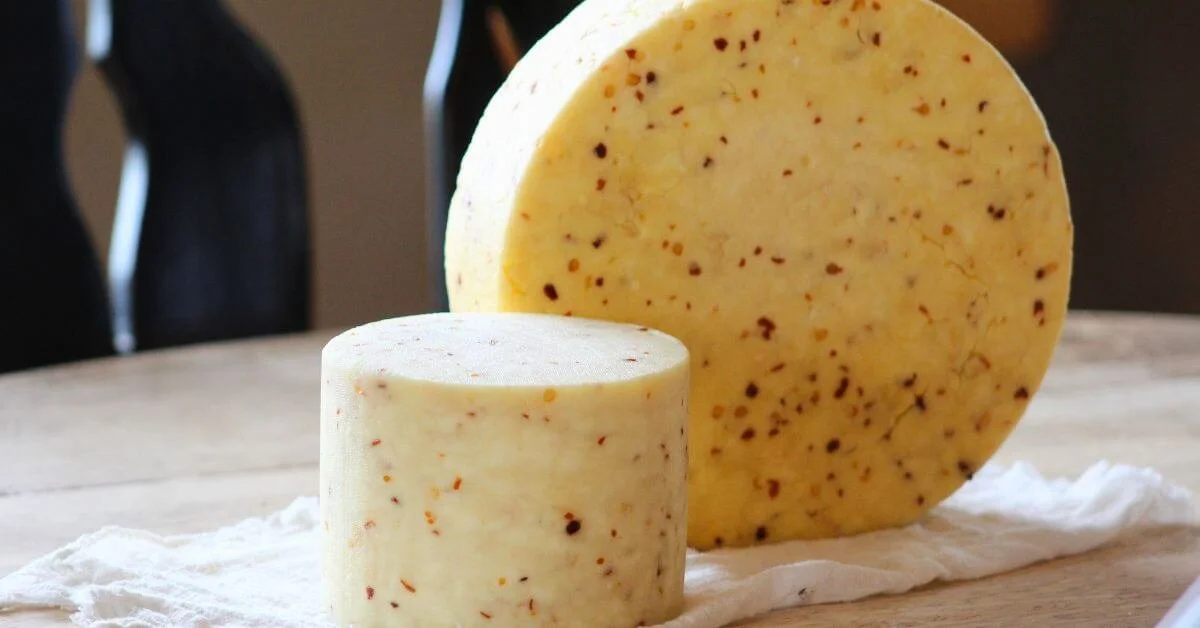
Sheep milk cheese commonly sells for $20–$40 per pound. Per gallon of sheep milk, you can expect roughly 2 pounds of cheese.
That means:
$20–$40 gallon → $40–$80 worth of cheese
If you use just ⅓ of your milk for cheesemaking:
7–17 gallons → 14–34 lbs of cheese
At $30/lb average = $420–$1,020 per lactation
Incredible what one animal can do, isn’t it?
You might be saying — But Sari, I don’t buy crazy expensive milk or cheese, would a ewe still be worth it?
Even using big-box grocery prices, you’re still looking at $126–$311 worth of milk and cheese — plus a potential $500 from lambs.
The Value of Butchering Lambs at Home
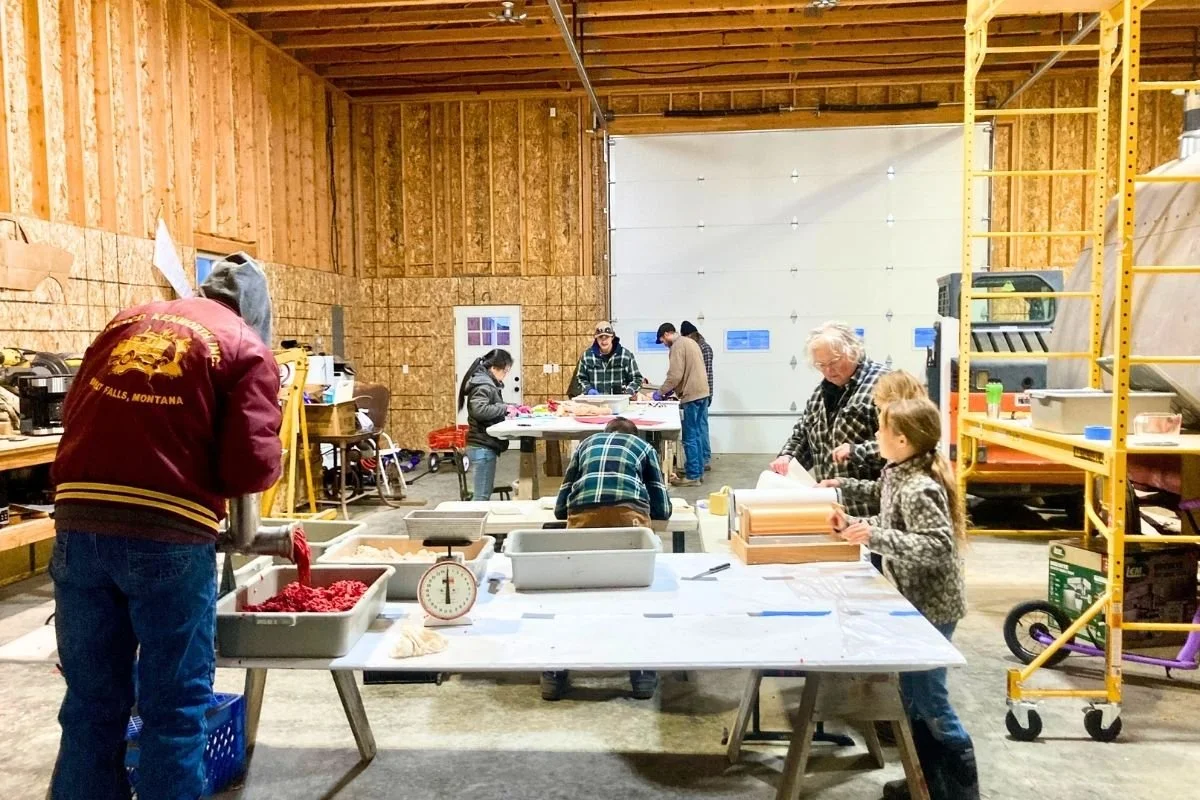
In addition to milk, cheese, and wool, dairy sheep also provide something many people overlook: high-quality meat — and the opportunity to learn an incredibly valuable homesteading skill.
Having lamb processed at a butcher can be expensive, and availability is often limited. But lamb is also one of the best animals to learn home butchery on. They are small, manageable, and far less intimidating than starting with a cow, while still teaching you the fundamentals of breaking down an animal properly.
Interested in getting started with home butchery? Check out my bare bones guide here.
From a cost perspective alone, a single lamb represents a significant amount of food value.
A typical lamb yields a wide variety of retail cuts, including:
Leg of lamb
Shoulder roasts
Rib chops
Loin chops
Shanks
Ground lamb
Stew meat
Bones for stock
At current retail prices, those cuts easily add up to several hundred dollars’ worth of meat from a single lamb. Depending on your local prices and the size of the animal, it’s not uncommon for a whole lamb to represent $600+ in retail meat value.
But the financial savings are only part of the story.
Learning to butcher your own lamb teaches skills that translate to every other species: understanding anatomy, respecting the animal, working cleanly and efficiently, and gaining confidence in providing food for your family from start to finish. It gives you a level of self-reliance that’s hard to replicate any other way.
For many homesteaders, lamb is the perfect starting point — small enough to feel manageable, yet substantial enough to build real competence and confidence before tackling larger animals.
When you factor in both the meat itself and the lifelong skill of home butchery, the value of a single lamb goes far beyond what shows up on a receipt.
The Numbers, Broken Down Simply
Annual expenses per ewe:
Hay: $96
Grain: $24
Minerals: $2.40
Milk filters: $22
Total: $144.40
Potential annual value:
Milk: $280–$1,400
Cheese: $420–$1,020
Lambs: ~$500
Wool: ??
Estimated total: $1,200–$2,920
Extra costs you may incur:
Veterinary / medicines: Vaccines, dewormer, antibiotics, bands, etc
Buying or leasing a ram to breed your ewe
Shearing (we shear our own with shears given to us by a neighbor so it doesn’t cost us anything)
One time expenses:
Ewe purchase
Fencing
Shelter
Milking setup: Stanchion, bucket, jars, etc
Feeders & buckets for hay, grain & water
The Hidden Value Most People Don’t Calculate
But what is even more important, is the hidden value that we can’t calculate.
The security of a fridge full of delicious milk.
A basement full of cheese.
A freezer stashed with homemade butter.
It’s the elation you feel when you learn a new skill like milking a sheep by hand, delivering a baby lamb and making butter or cheese like your great grandmother did. It’s feeling the sense of pride as you teach and pass these skills onto your children that are not only learning these skills, but responsibility too. It’s that feeling of accomplishment that you’ve reduced your dependence on the grocery store, and so much more.
So — are dairy sheep worth it?
For us, the answer is yes.
But not because it’s easy. And not because it’s cheap in every sense.
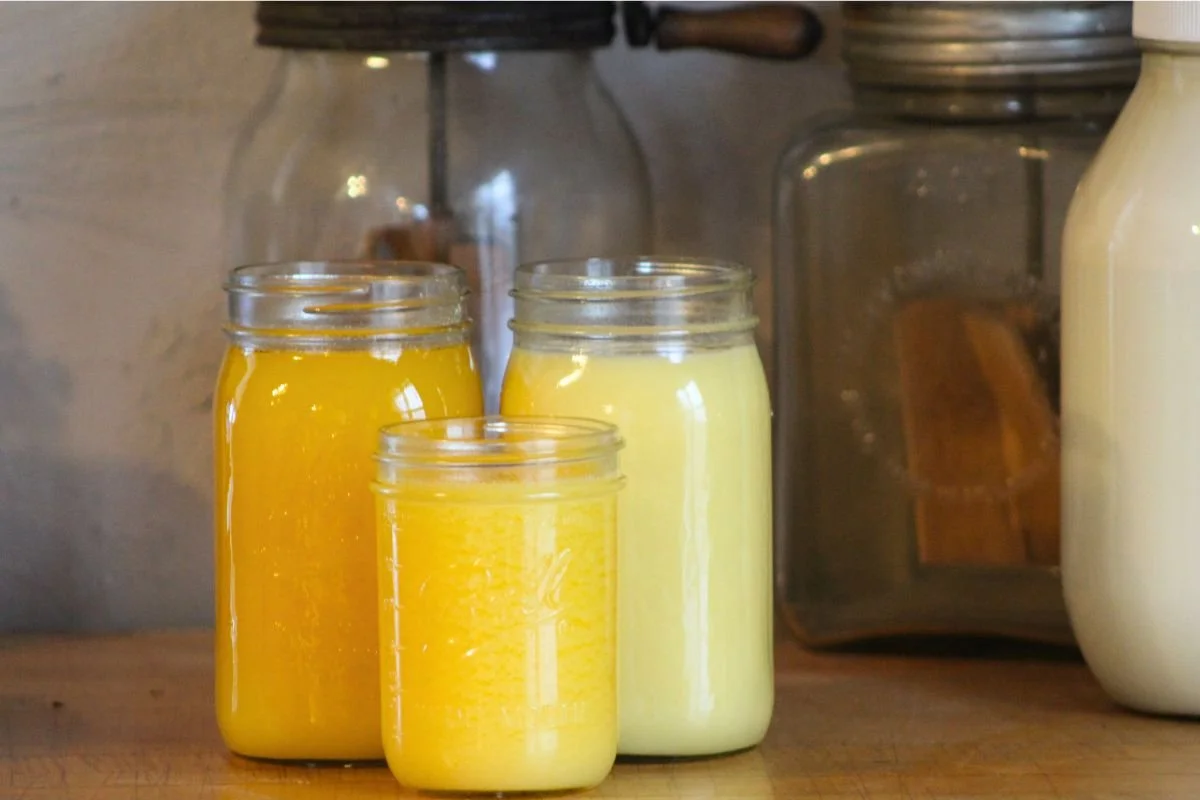
It’s worth it because the milk becomes food we actually use — yogurt, cheese, butter and ghee that don’t come from a store shelf. It’s worth it because we value knowing our animals, our food, and the systems that support our family. And it’s worth it because dairy sheep fit our scale, our land, and our lifestyle.
That said, dairy sheep aren’t for everyone and that’s ok!
If you’re still in the thinking and planning stage, that’s exactly where you should be. Good decisions start with good information.
So what do you think? Did I convince you to get dairy sheep? Comment below!
Related posts you might enjoy:
Pin for later
